
Paying taxes is something the law requires you to do, but many people pay more than they should because they don’t take advantage of all the options available to them. According to the IRS, about 20% of eligible tax payers do not claim the Earned Income Tax Credit (EITC), leaving valuable tax benefits unused each year. IRS Earned Income Tax Credit (EITC) Information. The US tax system provides many tools that allow individuals and businesses to manage their tax burden while staying within IRS rules.
Learning how to reduce taxes legally is not about avoiding responsibility. It is about making informed financial choices that lower unnecessary costs. Tax deductions, credits, retirement accounts, business planning, and income management can all play a role in reducing a taxpayer’s final bill.
A strong tax strategy starts before filing season. Reviewing income, expenses, investments, and financial goals throughout the year allows taxpayers to make better decisions. This approach helps taxpayers use available benefits and avoid missed opportunities.
This guide explains practical tax reduction strategies USA taxpayers can use, including deductions, credits, retirement planning, self-employment methods, and long-term financial strategies.
What Does It Mean to Reduce Taxes Legally?
Tax avoidance vs tax evasion
Tax avoidance and tax evasion are often confused, but they have completely different meanings. Tax avoidance means using legal methods provided by tax laws to reduce tax responsibility. Tax evasion means intentionally hiding information or violating tax rules.
Examples of legal tax planning include claiming qualified deductions, using retirement accounts, applying available credits, and organizing income properly. These actions are part of normal financial management.
Tax evasion includes activities such as hiding income, creating false expenses, or submitting incorrect information. These actions can lead to penalties, interest, and legal consequences.
Knowing tax avoidance vs tax evasion helps taxpayers focus on approved methods instead of risky actions. The best approach is using IRS-approved benefits while maintaining accurate records.
IRS rules for legal tax reduction
The IRS allows taxpayers to reduce their tax burden through specific programs and incentives. These rules support activities such as retirement savings, healthcare planning, education, home ownership, and business investment.
Legal tax reduction requires compliance with IRS guidelines. Taxpayers must report income correctly, maintain supporting documents, and follow eligibility requirements for deductions and credits.
Following legal tax planning methods IRS guidelines helps individuals reduce taxes without creating unnecessary risks. Proper documentation is especially important because the IRS may require proof of claimed benefits.
Tax planning should focus on accuracy and preparation rather than searching for shortcuts.
What strategies are allowed
There are many approved strategies taxpayers can use to lower their tax obligations. Common options include:
- Increasing retirement contributions
- Claiming qualified deductions
- Using available tax credits
- Tracking business expenses
- Planning investment decisions
- Managing income timing
These methods work by reducing taxable income or directly lowering the amount owed.
For example, a business owner may reduce taxable income by deducting eligible operating costs. An employee may reduce taxable income through workplace retirement contributions.
One of the most effective ways to reduce your tax liability legally is to know about the benefits you can use.
Common misconceptions
Many people believe tax reduction is only useful for wealthy taxpayers. In reality, individuals at different income levels can benefit from proper planning.
Another misconception is that deductions provide free money. Deductions only reduce taxable income, and the actual savings depend on the taxpayer’s tax bracket.
Some people also wait until the last minute to review their finances. This limits available options because many decisions must happen before the tax year ends.
Good tax planning is a continuous process that supports better financial decisions.
Overview of tax optimization
Tax optimization is the process of arranging financial decisions to improve tax efficiency. It involves reviewing income, expenses, investments, and available benefits.
Effective tax optimization methods focus on reducing unnecessary taxes while supporting long-term financial goals.
A complete tax strategy may include income planning, retirement preparation, investment management, and business decisions.
The goal is not simply to pay less tax today. It is creating a sustainable approach that improves financial results over time.
How Tax Reduction Actually Works in the US System
Role of taxable income
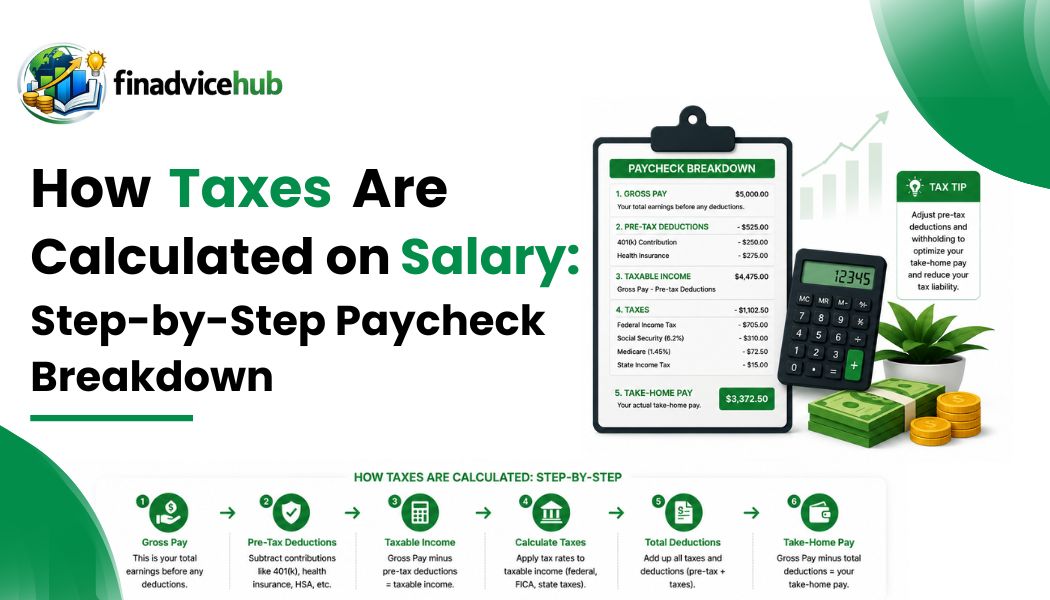
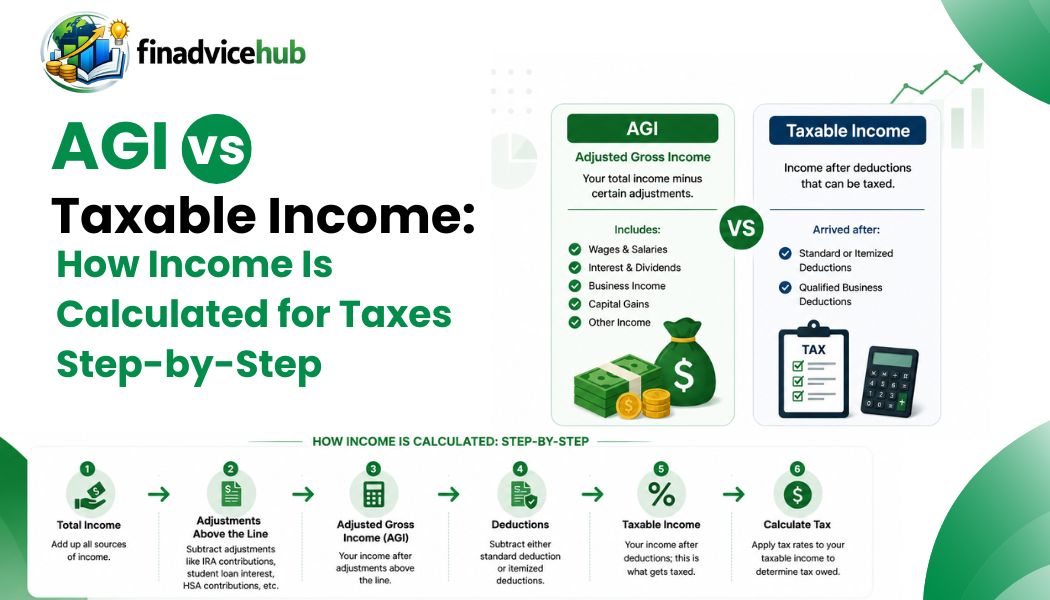
Taxable income is the amount of income used to calculate taxes after eligible adjustments are applied. Lowering this amount is one of the main ways taxpayers reduce their overall liability.
For example, a person earning $90,000 may not be taxed on the full amount if they qualify for certain deductions or contributions.
Learning how to reduce taxable income with deductions and credits helps taxpayers find ways to pay less in taxes.
Common taxable income reduction methods include retirement contributions, business expenses, and approved adjustments.
Role of tax credits
Tax credits directly reduce the amount of tax owed. Unlike deductions, which reduce taxable income, credits provide a direct decrease in the final tax bill.
For example, a $1,500 tax credit can reduce a taxpayer’s liability by $1,500 if they qualify.
Learning how tax credits reduce liability is important because credits often provide stronger savings than deductions.
Common examples include education credits, child-related credits, and energy-related incentives.
Role of deductions
Deductions lower the income amount used for tax calculations. They are available for many taxpayers, including employees, homeowners, investors, and business owners.
Examples may include:
- Business expenses
- Retirement contributions
- Mortgage-related deductions
- Qualified medical expenses
- Charitable donations
Knowing how tax deductions reduce taxes helps taxpayers make better financial decisions throughout the year.
The value of a deduction depends on income level, filing status, and applicable tax rates.
Role of tax brackets
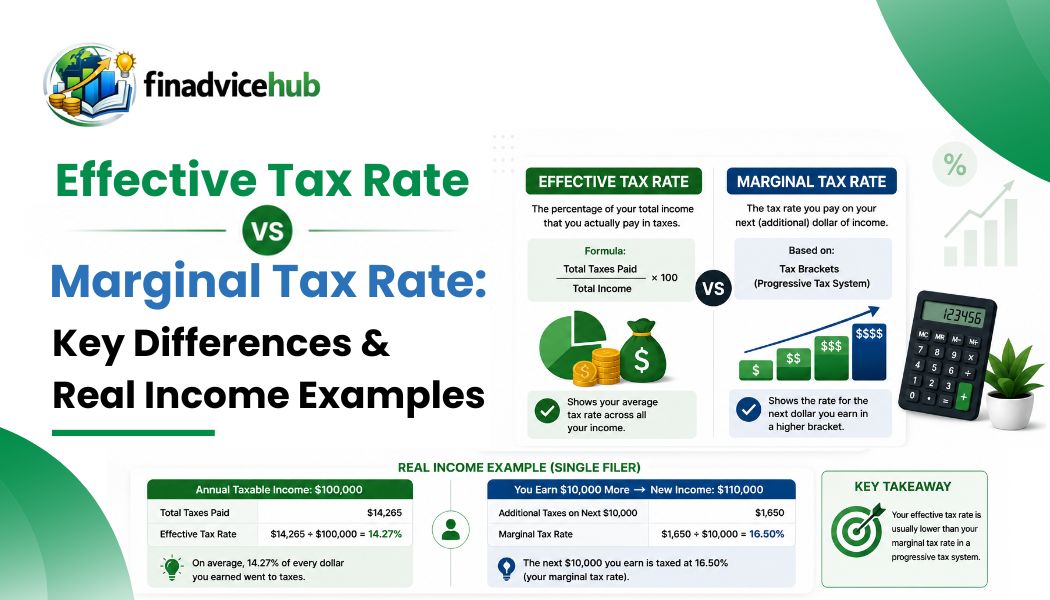
Tax brackets determine how different portions of income are taxed. The US uses a progressive system, meaning higher income levels may face higher tax rates.
Taxpayers can use this knowledge when planning income, retirement contributions, and investments.
For example, a person may choose to increase retirement contributions to reduce current taxable income and manage their position within a tax bracket.
Understanding brackets supports smarter tax planning strategies individuals can use throughout their financial lives.
Full tax reduction flow
A successful tax reduction process follows several steps:
| Stage | Purpose |
| Review income | Identify total earnings |
| Reduce taxable income | Apply deductions and adjustments |
| Use credits | Lower final tax responsibility |
| Plan ahead | Improve future tax results |
This tax optimization step-by-step framework helps taxpayers create a structured approach instead of making random decisions. Knowing the difference between a tax credit vs tax deduction can help you choose the right options and make better tax planning decisions.
Tax reduction works best when multiple strategies are combined based on individual financial circumstances.
Strategy 1 – Maximize Tax Deductions
Tax deductions are one of the most common tools for reducing tax liability. They reduce the amount of income subject to tax, which can decrease the final amount owed to the IRS.
To use deductions effectively, you need to ensure your expenses are eligible and that you have proper records. Many taxpayers miss savings because they don’t track their expenses or don’t know which costs they can claim.
A smart deduction strategy is based on accurate documentation, yearly reviews, and an understanding of current tax rules.
Standard vs itemized deductions
Taxpayers generally choose between the standard deduction and itemized deductions when filing federal taxes. The standard deduction provides a fixed reduction based on filing status, while itemized deductions allow individuals to list specific qualifying expenses.
The standard option is often easier because it requires less paperwork. Itemizing may provide greater savings for taxpayers with significant qualifying expenses.
Common itemized deductions may include mortgage interest, certain medical expenses, charitable donations, and eligible state and local taxes.
The right choice changes depending on personal finances each year. Comparing both options helps taxpayers choose the method that creates the greatest benefit.
Business expense deductions
Business owners and freelancers have unique opportunities to reduce taxable income through qualified business expenses. These deductions are especially valuable for people exploring tax saving strategies for freelancers USA. Knowing how freelancers pay taxes is also important because independent workers must manage their own income reporting, expenses, and tax payments instead of relying on employer withholding.
Common deductible business costs may include:
- Office equipment
- Software subscriptions
- Marketing expenses
- Professional services
- Business insurance
- Work-related travel
For example, a freelance developer who pays for coding software, online services, and computer equipment may be able to deduct qualifying expenses.
Accurate records are essential. Receipts, invoices, and payment confirmations help prove that expenses are connected to business activities.
Proper expense management supports both tax savings and better business decisions.
Mortgage and medical deductions
Homeowners and individuals with high healthcare expenses may qualify for certain deductions. These deductions can reduce taxable income when they meet IRS requirements.
Mortgage-related deductions may provide benefits for eligible homeowners. However, taxpayers must follow IRS limits and qualification rules.
Medical deductions may apply to certain healthcare costs that exceed specific thresholds. Qualified expenses may include approved medical services, treatments, and related costs.
Because these deductions have detailed requirements, maintaining organized records is important.
Using these benefits correctly can support legal ways to avoid paying too much tax USA while remaining compliant.
Charitable contributions
Charitable giving can provide tax advantages for taxpayers who qualify to itemize deductions. Donations made to eligible organizations may reduce taxable income.
Taxpayers should keep proof of contributions, including receipts, donation confirmations, and financial records.
Different types of donations may have different requirements. Cash donations, property contributions, and other gifts may require specific documentation.
Charitable planning allows individuals to support causes they value while potentially improving their tax position.
Common deduction mistakes
Many taxpayers lose valuable savings because they make mistakes with deductions.
Common problems include:
- Forgetting eligible expenses
- Mixing personal and business costs
- Losing receipts
- Claiming unqualified expenses
Another mistake is assuming every expense related to work automatically qualifies. IRS rules require expenses to meet certain conditions.
A careful approach helps taxpayers maximize benefits while reducing the risk of errors.
Strategy 2 – Use Tax Credits Effectively
Tax credits are powerful because they reduce the actual amount of tax owed. Unlike deductions, which reduce taxable income, credits directly lower tax liability.
Using credits correctly is one of the most effective ways to save on taxes USA taxpayers.
Refundable tax credits
Refundable tax credits can provide a benefit even when the credit amount exceeds the taxpayer’s total tax liability. In some cases, the remaining amount may be returned as a refund.
These credits are valuable because they can help lower taxes for eligible individuals and families.
Examples may include certain income-based and family-related credits.
Taxpayers should review eligibility rules carefully because requirements can change each year.
Nonrefundable credits
Nonrefundable credits reduce tax owed but generally cannot create a refund beyond the taxpayer’s liability.
For example, if someone owes $2,000 in taxes and qualifies for a $3,000 nonrefundable credit, the tax may be reduced to zero, but the remaining credit may not be refunded.
Even with limitations, these credits can provide meaningful savings.
It’s important to recognize the differences between different types of credit. This knowledge can help taxpayers make the right choice.
Child tax credit
The child tax credit provides tax benefits to eligible families with qualifying children. It helps reduce the financial impact of raising children.
Eligibility depends on factors such as income, relationship requirements, and the child’s age.
Families should review current IRS rules before claiming the credit because limits and requirements may change.
Properly using family-related credits can significantly improve household tax efficiency.
Education credits
Education credits help eligible taxpayers manage the cost of higher education. They may apply to qualified expenses such as tuition and certain educational costs.
Students, parents, and individuals investing in education may benefit from these programs.
Keeping education records, payment statements, and school documents helps support claims.
Education credits are an important part of financial planning for taxpayers managing education expenses.
Energy and healthcare credits
Energy and healthcare credits encourage taxpayers to invest in certain approved expenses.
Energy-related credits may apply to qualifying home improvements designed to improve efficiency.
Healthcare-related benefits may include programs connected to approved medical costs and savings accounts.
Since these programs change over time, taxpayers should review updated IRS information before making decisions.
Strategy 3 – Reduce Taxable Income Legally
Reducing taxable income is one of the most direct methods for lowering tax responsibility. Instead of focusing only on the final bill, taxpayers can make choices that reduce the amount of income subject to taxation.
These strategies often involve retirement planning, healthcare savings, workplace benefits, and investment decisions.
Retirement contributions (401k, IRA)
Retirement accounts are among the most common tools for reducing taxable income. Certain contributions may provide tax benefits while helping individuals build future savings.
Employer-sponsored plans, such as 401(k) accounts, allow many employees to contribute money before taxes are calculated.
Traditional IRAs may also provide tax advantages depending on eligibility and income limits.
Understanding how retirement contributions reduce taxes helps individuals combine long-term financial growth with immediate tax planning benefits.
For example, increasing eligible retirement contributions may lower current taxable income while preparing for retirement.
Health savings accounts (HSA)
Health savings accounts provide tax advantages for eligible individuals with qualifying healthcare plans.
HSA contributions may reduce taxable income, and funds can be used for qualified medical expenses.
These accounts offer a unique combination of benefits because they support healthcare costs while also helping with financial planning.
Taxpayers should be aware of the contribution limits and eligibility rules before using an HSA strategy.
Pre-tax benefit programs
Many employers offer benefits that allow employees to use income before taxes are calculated.
Common examples include:
- Retirement contributions
- Healthcare spending programs
- Transportation benefits
- Flexible spending accounts
These programs can reduce taxable income and improve employee benefits.
Reviewing workplace options is a simple step that many taxpayers overlook.
Income timing strategies
Income timing involves planning when income is received or recognized. This can help taxpayers manage their yearly tax position.
Business owners and investors may review whether certain financial events should happen during the current year or a future year.
The goal is better planning, not avoiding required taxes.
Income timing decisions should always follow IRS rules and accurate reporting requirements.
Investment-based reductions
Investments can affect taxes through capital gains, dividends, and other income sources.
Taxpayers may improve results by considering investment timing, holding periods, and overall portfolio strategy.
Careful investment planning supports long-term wealth building and improved tax efficiency.
It’s important to consider all the options related to investments when creating a tax strategy.
Strategy 4 – Optimize Self-Employment Taxes
Self-employment provides professionals with greater independence and control over their income, but it also creates additional tax responsibilities. Unlike employees who usually have taxes withheld automatically from their paychecks, freelancers, contractors, consultants, and business owners must manage income reporting, deductions, estimated tax payments, and self-employment taxes themselves.
Self-employed individuals generally pay both the employer and employee portions of Social Security and Medicare taxes through self-employment tax requirements. Because of this additional responsibility, learning how to reduce self-employment tax legally requires proper planning, accurate records, and consistent financial management.
A strong self-employment tax strategy focuses on reducing taxable income through legitimate deductions, maintaining organized financial records, planning tax payments throughout the year, and selecting business structures that support long-term goals.
Business Expense Tracking
Tracking business expenses is one of the most effective ways for self-employed professionals to reduce taxable income. Qualified business expenses lower business profit, which can reduce the amount of income subject to certain taxes.
Business expenses must generally be ordinary and necessary for business operations. Common examples include:
- Business software and subscriptions
- Office supplies
- Advertising and marketing costs
- Professional services
- Business insurance
- Equipment and technology
- Training and education expenses
- Communication services
A proper expense tracking system should record important details, including:
- Purchase date
- Expense category
- Vendor information
- Payment method
- Amount paid
- Business purpose
- Supporting receipts
Many freelancers lose potential tax savings because small expenses are forgotten during the year. Recurring costs such as software subscriptions, online services, and professional tools can become significant deductions when properly documented.
Using accounting software, digital receipt storage, and separate business accounts can improve recordkeeping accuracy and simplify tax preparation.
Expense tracking is also a key part of a freelancer quarterly tax workflow because accurate records help estimate income, calculate tax payments, and make better financial decisions.
Home Office Deduction
The home office deduction can provide valuable tax benefits for eligible self-employed individuals who operate their businesses from their homes.
To qualify, the workspace generally must meet specific requirements. The area should typically be used regularly and exclusively for business purposes and must support legitimate business activities.
Examples of eligible home office-related costs may include:
- Rent or mortgage-related expenses
- Utilities
- Internet services
- Home insurance
- Repairs and maintenance
- Property-related costs
Taxpayers may calculate the deduction using approved methods, including simplified options or methods based on actual expenses.
Maintaining documentation about the workspace, including measurements, usage details, and related expenses, helps support the deduction.
The home office deduction is especially useful for remote professionals, online business owners, consultants, and freelancers who operate their businesses from home.
Equipment and Operational Deductions
Business equipment and operating expenses can create important tax advantages when they meet applicable requirements.
Common deductible business purchases may include:
- Computers and laptops
- Business software
- Office furniture
- Professional tools
- Internet services
- Printers and equipment
Some larger purchases may qualify for different deduction methods depending on cost, business use, and tax rules. Business owners should consider both the operational value and possible tax impact before making major purchases.
Strategic purchasing decisions allow businesses to invest in productivity while improving overall tax efficiency.
The goal of tax planning is not to spend unnecessarily but to make smart investments that support business growth and financial stability.
Quarterly Tax Planning
Self-employed individuals usually make estimated tax payments because they do not have employer withholding.
Quarterly tax planning involves regularly reviewing:
- Business income
- Expenses
- Deductions
- Retirement contributions
- Expected tax liability
Instead of waiting until deadlines approach, business owners can monitor their financial position throughout the year.
Regular planning helps answer questions such as:
- How much should I pay in quarterly taxes?
- Are my estimated payments accurate?
- Has my income changed?
- Should I adjust my savings strategy?
Setting aside money for taxes throughout the year can improve cash flow management and prevent unexpected financial pressure.
Entity Structure Considerations
Business structure can influence taxation, reporting requirements, and long-term financial planning.
Common structures include:
- Sole proprietorships
- Partnerships
- Limited liability companies (LLCs)
- Corporations
Each structure has different tax treatments, administrative requirements, and legal considerations.
Choosing the right structure depends on factors such as:
- Business income
- Growth expectations
- Number of owners
- Liability concerns
- Long-term objectives
Business owners should regularly review their structure because a setup that works during the early stages of a business may not remain the most efficient option as the company grows.
Strategy 5 – Tax Planning Throughout the Year
Tax planning is most effective when it happens throughout the year instead of only during filing season.
Consistent planning allows taxpayers to make better decisions regarding:
- Deductions
- Tax credits
- Retirement contributions
- Income timing
- Investment decisions
- Estimated payments
A proactive approach gives individuals greater control over their financial outcomes and reduces the stress associated with tax deadlines.
Year-Round Tax Planning vs Filing Season
Tax filing involves reporting financial activity that has already occurred. Tax planning focuses on making decisions before the tax year ends.
Waiting until filing season can limit opportunities because many strategies require action before deadlines.
Year-round tax planning includes:
- Reviewing income regularly
- Tracking expenses
- Adjusting withholding
- Monitoring investments
- Preparing for financial changes
Using year-end tax planning strategies USA throughout the year helps taxpayers stay organized and identify opportunities before they disappear.
Adjusting W-4 Withholding
Employees can update their W-4 form to adjust how much tax is withheld from each paycheck.
Updating withholding may be helpful after major financial changes such as:
- Starting a new job
- Receiving a salary increase
- Getting married
- Starting a side business
- Changing income sources
Correct withholding helps prevent:
- Large unexpected tax payments
- Excessive refunds caused by over-withholding
A balanced withholding strategy improves monthly cash flow while keeping tax payments closer to the correct amount.
Estimating Quarterly Taxes
Individuals with income outside traditional employment may need to estimate and pay taxes during the year.
This commonly applies to:
- Freelancers
- Contractors
- Business owners
- Investors
- Self-employed professionals
Accurate estimates require reviewing expected income, expenses, deductions, and tax obligations.
Understanding how IRS calculates estimated tax requirements helps taxpayers create more reliable payment plans and avoid potential penalties.
Income Forecasting
Income forecasting involves predicting future earnings before they occur.
Employees may consider:
- Salary increases
- Bonuses
- Investment income
Business owners may analyze:
- Sales trends
- Contracts
- Customer demand
- Seasonal changes
Forecasting helps taxpayers prepare for changes that may affect their tax situation and supports better decisions about deductions, savings, and investments.
Avoiding Last-Minute Tax Mistakes
Waiting until deadlines approach can lead to unnecessary errors.
Common mistakes include:
- Missing receipts
- Forgetting deductions
- Incorrect income reporting
- Missing contribution deadlines
- Failing to update financial information
A monthly financial review system can prevent many problems by keeping records organized throughout the year.
Strategy 6 – Smart Income Structuring
The way income is earned and managed can influence tax outcomes. Smart income structuring focuses on organizing different income sources to improve financial efficiency.
A well-planned income structure considers tax responsibilities, financial goals, investment strategies, and future growth opportunities.
Salary vs Business Income
Salary income generally includes automatic tax withholding, while business income requires more active tax management.
Business income may provide access to additional deductions, but also requires responsibility for:
- Expense tracking
- Estimated payments
- Financial reporting
- Recordkeeping
The best income structure depends on personal goals, business activities, and financial circumstances.
Capital Gains Optimization
Investment profits may receive different tax treatment depending on factors such as holding periods and investment type.
Tax-aware investors consider:
- When to sell investments
- Potential gains and losses
- Overall income level
- Long-term investment goals
Managing investment timing can help improve after-tax returns and support broader financial planning.
Dividend Income Planning
Dividend income can influence overall tax responsibility.
Investors should understand how different dividend types fit into their financial plans and consider:
- Total income levels
- Investment objectives
- Portfolio strategy
- Tax treatment
Proper dividend planning helps investors avoid unexpected tax obligations.
Timing Income Realization
Timing income realization involves deciding when certain income events occur when permitted under tax rules.
This strategy may help taxpayers manage annual taxable income and improve financial planning.
Business owners and investors often review income timing decisions before year-end to determine whether accelerating or delaying certain transactions makes sense.
Long-Term Planning Strategies
Long-term tax planning focuses on creating sustainable financial habits rather than only reducing current taxes.
Important areas include:
- Retirement preparation
- Investment planning
- Income diversification
- Business growth
- Wealth management
A complete tax strategy combines short-term savings opportunities with long-term financial goals. Effective planning helps individuals and businesses improve tax efficiency while building stronger financial foundations.
Common Mistakes in Tax Reduction
Understanding how to reduce taxes legally requires knowing the difference between smart financial planning and actions that violate tax rules. Many taxpayers make costly mistakes because they misunderstand available tax benefits or fail to plan. A strong tax strategy focuses on reducing unnecessary tax costs while maintaining full compliance with IRS requirements.
Confusing Tax Avoidance with Tax Evasion
One of the most important parts of tax planning is understanding the difference between legal tax strategies and illegal activities. Legal tax avoidance involves using tax rules, deductions, credits, and approved financial tools to reduce taxes. These methods are often discussed as legal tax loopholes in the USA, although they are not loopholes in the sense of breaking rules they are opportunities provided within the tax system.
Tax evasion, on the other hand, involves hiding income, creating false records, or reporting inaccurate information. Following IRS compliance strategies ensures taxpayers can benefit from available opportunities while avoiding penalties and legal issues.
Missing Eligible Deductions
Many people overpay taxes because they fail to claim deductions they qualify for. Understanding how to legally reduce taxable income in the USA often starts with identifying legitimate deductions related to work, business expenses, education, retirement savings, and other financial activities.
Keeping detailed records throughout the year helps taxpayers discover missed opportunities and create a more effective tax efficiency planning approach. Proper documentation also makes it easier to support claims if questions arise.
Ignoring Tax Credits
Tax credits are among the most valuable tools for reducing tax bills because they directly lower the amount owed. Many taxpayers overlook available credits because they do not review their eligibility each year.
Learning how to lower tax liability legally includes understanding both deductions and credits. A complete review before filing can help individuals take advantage of benefits related to family expenses, education, energy improvements, retirement savings, and other qualifying areas.
Poor Record Keeping
Good record keeping is the foundation of successful tax planning. Missing receipts, incomplete expense reports, and disorganized financial information can prevent taxpayers from claiming valid deductions.
For individuals, freelancers, and business owners, organized records are essential for avoiding overpaying taxes. Tracking income and expenses throughout the year makes filing easier and improves accuracy.
Overestimating Tax Savings
Tax strategies can create savings, but results depend on income level, financial situation, and eligibility. A strategy that works for a high-income earner may not provide the same benefit for someone with a different income structure.
Successful financial planning for taxes focuses on realistic outcomes rather than expecting every strategy to create large reductions. The goal is to make informed decisions that improve long-term financial health.
Real-Life Tax Saving Examples USA
Employee Tax Saving Scenario
Employees often ask how to reduce taxes on salary while keeping their finances simple. Common approaches include increasing retirement contributions, adjusting tax withholding, and claiming eligible credits.
For example, contributing to employer-sponsored retirement accounts may help reduce taxable income while building future savings. Reviewing paycheck settings throughout the year can also prevent paying too much tax through excessive withholding.
Freelancer Tax Optimization Example
Many freelancers have opportunities to reduce taxes because they can claim eligible business expenses. Understanding how freelancers can save taxes involves tracking costs such as business equipment, software, professional services, and other necessary expenses.
Freelancers can also benefit from retirement planning, proper income tracking, and timely tax payments. A structured approach helps prevent unexpected bills and improves overall tax management.
High-Income Earner Strategy
High-income individuals often require more advanced planning because additional income can create higher tax obligations. Learning how to minimize tax liability for high-income earners usually involves combining retirement planning, investment strategies, charitable giving, and careful income management.
Many successful taxpayers focus on how wealthy people reduce taxes legally explained by using long-term financial structures rather than relying on short-term solutions. These strategies are based on using available tax rules effectively while remaining compliant.
Small Business Owner Example
Business owners can improve tax efficiency by managing expenses, selecting appropriate business structures, and planning purchases carefully. Equipment investments, employee benefits, and retirement options may provide opportunities to reduce taxable income.
Understanding how to structure income for tax savings can help business owners decide when and how income is received while supporting broader financial goals.
Family Tax Optimization Example
Families may reduce taxes through available credits, education benefits, retirement contributions, and careful household financial planning. A yearly review can help families identify opportunities and avoid missing valuable tax benefits.
Tools for Tax Optimization
IRS Calculators
Tax calculators help individuals estimate tax payments, understand withholding, and prepare for possible outcomes. They are useful tools for how to plan taxes before filing season because they allow taxpayers to make adjustments early.
Tax Software Platforms
Tax software can simplify filing by organizing financial information, identifying possible deductions, and helping users complete forms correctly. These platforms support taxpayers who want a clearer understanding of their tax situation.
AI Tax Planning Tools
AI-based financial tools can analyze information and suggest possible planning opportunities. They may help identify patterns and improve organization, but important decisions should still be reviewed carefully to ensure accuracy and compliance.
Expense Tracking Apps
Expense tracking tools are especially useful for freelancers and business owners. They help organize receipts, categorize spending, and maintain records needed for accurate reporting.
Financial Planning Tools
Modern financial planning platforms combine budgeting, investing, retirement planning, and tax management. They support a complete approach to tax efficiency planning instead of focusing only on filing deadlines.
Long-Term Tax Planning Strategy
Annual Tax Review System
Effective tax planning happens throughout the year, not only during tax season. A yearly review helps taxpayers understand changes in income, expenses, investments, and available benefits.
Following a complete tax reduction blueprint USA approach means reviewing financial decisions regularly and making adjustments before filing deadlines.
Retirement Planning Integration
One of the most common questions is how to use retirement accounts to reduce taxes. Certain retirement contributions may lower taxable income while helping individuals prepare for future financial needs.
Retirement planning is a key part of many best tax strategies to lower income tax bills because it supports both immediate tax management and long-term savings.
Investment Tax Planning
Investment decisions can affect tax outcomes. Managing investment timing, understanding taxable gains, and choosing suitable accounts can improve overall financial efficiency.
Tax-aware investing is an important part of building a strategy that protects long-term returns while managing tax obligations.
Income Diversification Strategy
Different types of income may have different tax effects. Creating multiple income sources through employment, investments, or business activities can provide more flexibility.
Careful planning around income sources can support how to structure income for tax savings and create better financial control.
Continuous Optimization Approach
Tax planning should continue as financial situations change. Income growth, family changes, new investments, and updated tax laws can all affect the best strategy.
Using a legal tax saving checklist for individuals each year can help taxpayers stay organized and identify opportunities before deadlines arrive.
Conclusion
Learning how to reduce taxes legally helps individuals and businesses make better financial choices while following tax regulations. Reducing taxes effectively requires proper planning, accurate record keeping, and a clear understanding of available deductions, credits, retirement options, and other approved strategies.
A smart tax approach focuses on making informed decisions throughout the year rather than waiting until filing season. By reviewing income, expenses, and financial goals regularly, taxpayers can improve savings opportunities and avoid paying more than necessary. With consistent planning and responsible management, anyone can build a stronger tax strategy while staying compliant and prepared for future financial changes.
FAQs
How can I legally reduce my taxes in the USA?
The best approach is to use approved deductions, credits, retirement accounts, and income planning methods. Following how to reduce taxes legally step by step USA involves reviewing your income, expenses, and available tax benefits throughout the year.
What are the best tax strategies to lower an income tax bill?
Common strategies include reducing taxable income through retirement contributions, claiming eligible deductions and credits, managing investments carefully, and maintaining accurate records.
How do I lower my tax liability legally?
You can lower your tax liability by using tax benefits allowed under current laws, planning income carefully, and taking advantage of financial tools designed to improve tax efficiency.
What are the best ways to lower the federal tax bill?
Some effective methods include retirement planning, proper deduction tracking, tax credit reviews, investment planning, and adjusting financial decisions before filing.
How do deductions and credits work differently?
Deductions reduce the amount of income subject to tax, while credits directly reduce the final tax amount owed. Both can play an important role in reducing overall tax costs.
Is tax avoidance legal in the USA?
Yes. Legal tax avoidance means using available tax rules and benefits correctly. It differs from tax evasion, which involves illegal actions such as hiding income or falsifying information.
How can freelancers reduce taxes?
Freelancers can save taxes by tracking business expenses, claiming eligible deductions, planning retirement contributions, and managing estimated payments throughout the year.
Can retirement accounts reduce taxes?
Yes. Certain retirement accounts and contributions may provide tax advantages while helping individuals build long-term savings.
What is the best way to prepare before tax season?
The best approach is to organize records, review income and expenses, check available deductions and credits, and begin planning before deadlines arrive.