Salary Guides & Calculator (USA) – Paycheck, Take-Home Pay & Income Insights

Salary is the amount of money you earn from your job, usually paid weekly, biweekly, or monthly. In the United States, your salary isn’t always the same as what you take home. Deductions like federal taxes, state taxes, Social Security, Medicare, and other benefits can reduce your final paycheck.

This page is designed for employees, job seekers, and anyone who wants to better understand their earnings. Whether you’re comparing job offers, checking your take-home pay, or planning your monthly budget, this resource gives you clear and simple guidance.

You’ll find easy-to-understand guides that explain how salary works, along with helpful calculators to estimate your net (take-home) pay. Instead of guessing how much you’ll actually receive after deductions, you can quickly get a realistic estimate and make smarter financial decisions.

Start by calculating your take-home salary in just a few steps.

Salary & Paycheck Calculator

Salary & Paycheck Calculator

Calculate take-home pay, hourly rates, overtime, bonus, and commission for any pay type

Pay details
$
%
0% in TX, FL, NV, WA, AK
%
$
Health, dental, etc.
Please enter your annual gross salary.
Take-home pay
Annual: —Keep: —%
Weekly
Bi-weekly
Monthly
Annual
ItemPer paycheckAnnual
Take-home
All taxes
Deductions
Hourly details
$
hrs
wks
%
Please enter hourly wage and hours per week.
Annual salary equivalent
Net annual: —Net hourly: —
Hourly gross
Weekly
Monthly
Annual net
Work hours this week
$
hrs
OT kicks in after 40 hrs
hrs
Please enter hourly wage and total hours worked.
Total weekly earnings
OT hours: —OT bonus: —
Regular pay
Overtime pay
OT hourly rate
Effective hourly
Regular pay
Overtime pay
Bonus details
$
$
Required for aggregate method
%
Please enter your bonus amount.
Bonus take-home
Tax: —Keep: —%
Federal tax
FICA
State tax
Effective rate
Commission details
$
$
%
$
%
Please enter sales revenue to calculate.
Total gross earnings
Commission: —Take-home: —
Base salary
Commission
Total tax
Net take-home
Base salary
Commission
Taxes

Salary Basics

What is Salary

Salary is the fixed amount of money you earn from your employer, usually shown as a yearly (annual) figure. It can also be broken down into monthly, biweekly, or weekly payments. Unlike hourly wages, salary is typically the same each pay period, regardless of hours worked (with some exceptions like overtime rules).

What is Gross Pay

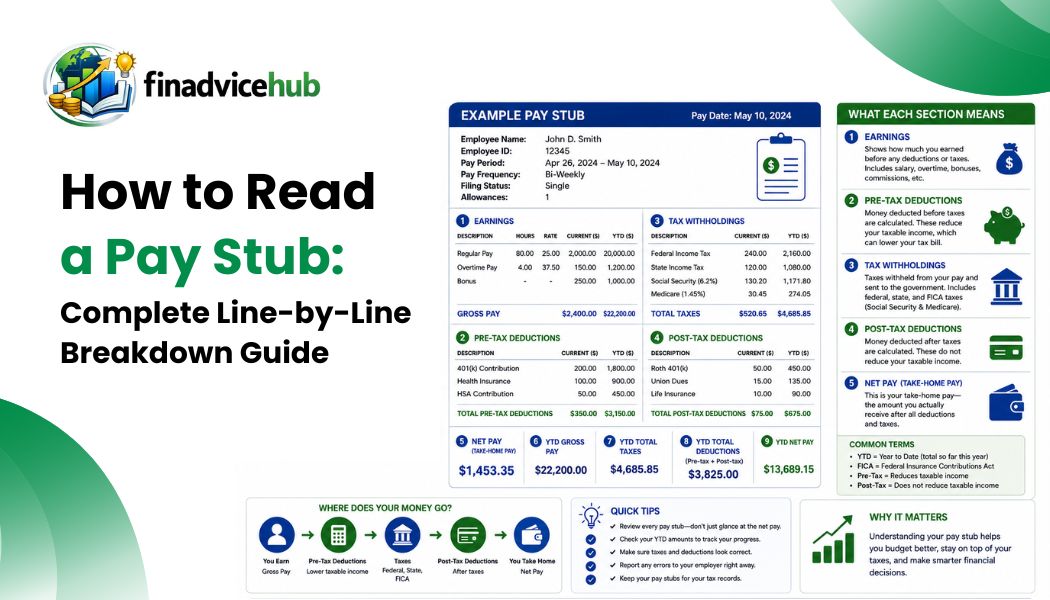
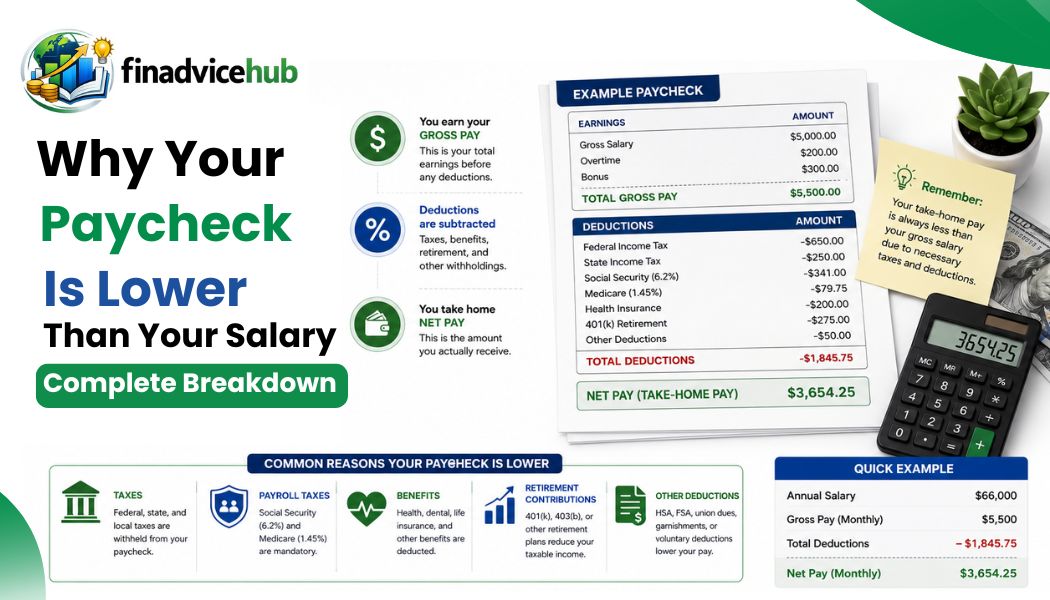
Gross pay is your total earnings before any deductions. This includes your base salary and may also include bonuses, commissions, or overtime pay. It’s the starting number before taxes and other withholdings are taken out.

What is Net Pay (Take-Home Pay)

Net pay is the amount you actually receive in your bank account after all deductions. These deductions may include federal and state taxes, Social Security, Medicare, health insurance, and retirement contributions. This is the amount you can actually spend or save.

What are Paycheck Deductions

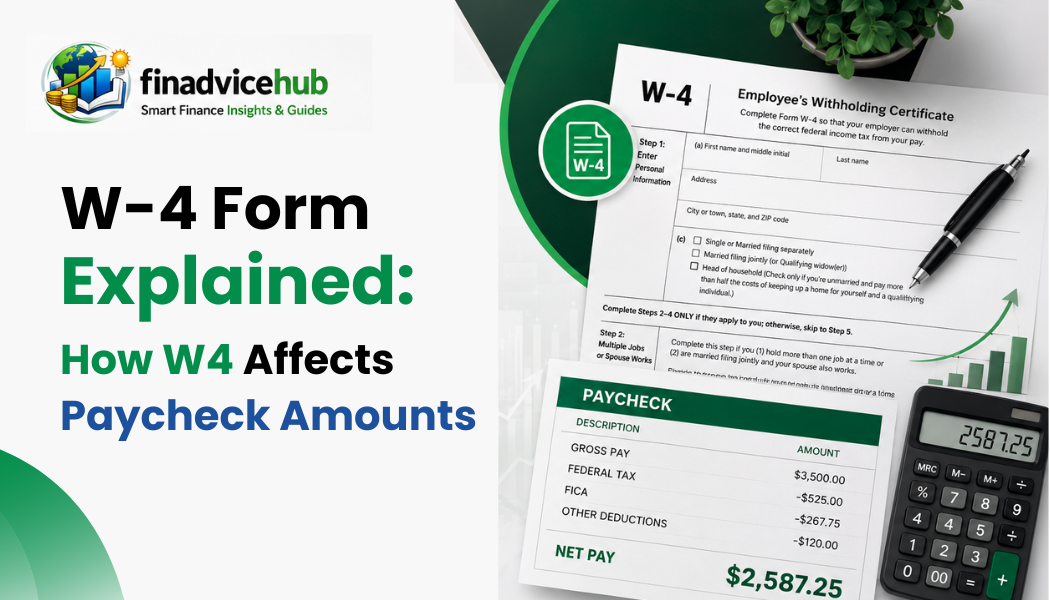
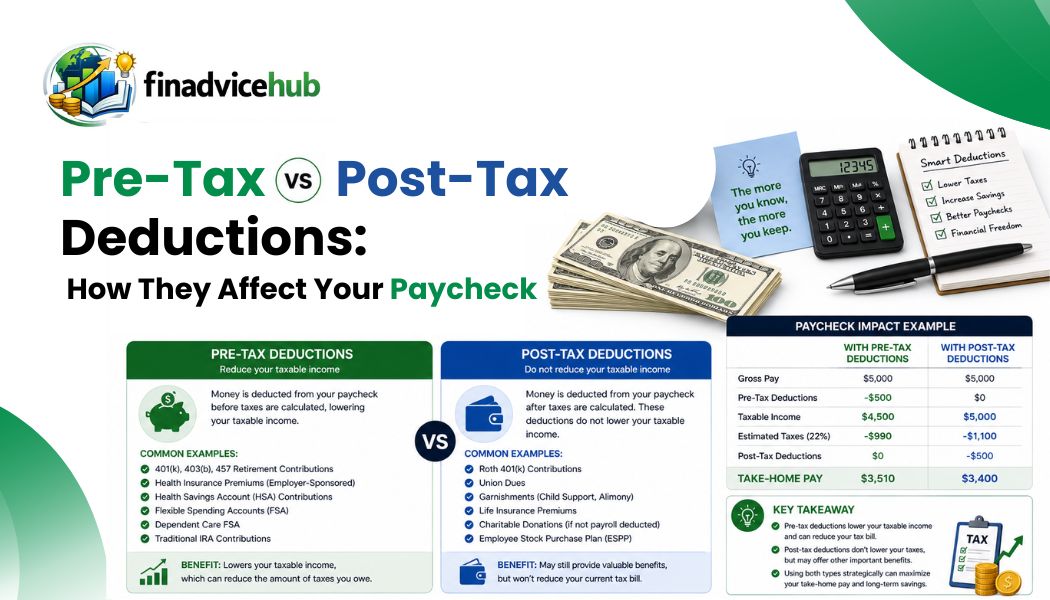
Paycheck deductions are amounts taken out of your gross pay. Some deductions are required, like taxes, while others are optional, such as retirement savings or health insurance. These deductions directly affect how much take-home pay you receive.

Quick Comparison: Gross Pay vs Net Pay

Feature
Gross Pay
Net Pay
What it means
Total earnings before deductions
Final amount after deductions
Includes taxes?
No
Yes (already deducted)
Amount
Higher
Lower
Used for
Job offers, salary discussions
Budgeting, spending

FAQ’s

Start with your gross salary, then subtract taxes and other deductions like Social Security, Medicare, and benefits. A salary calculator can help you get a quick estimate.
Gross salary is your total earnings before deductions, while net salary is the amount you actually receive after all deductions are taken out.
Your take-home pay is lower because taxes and other deductions are removed from your gross salary before you receive it.
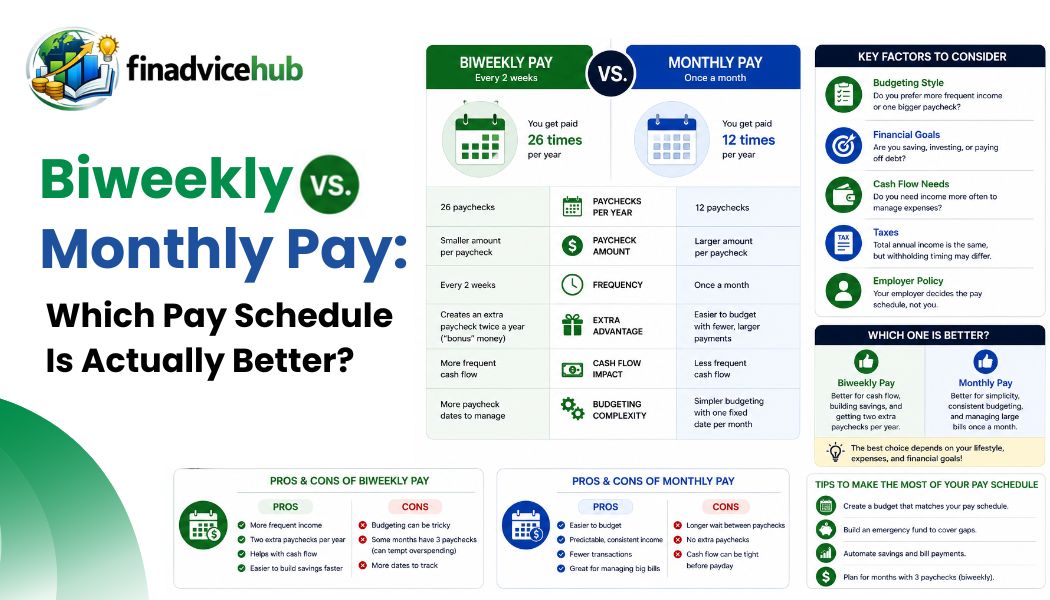
Salary is usually paid weekly, biweekly, or monthly, depending on the employer’s payroll schedule.
In some cases, yes. You may adjust tax withholdings, review benefit contributions, or negotiate your salary, depending on your situation.