Tax Guides & Calculators (USA) – Income Tax, Deductions & Filing Help

Taxes are payments people and businesses make to the government to help fund public services like roads, schools, and healthcare. In the United States, taxes can come from different levels, federal, state, and sometimes local, which can make things feel confusing at first.

This page is built for everyday taxpayers: employees, freelancers, self-employed individuals, and small business owners. Whether you’re filing your taxes, trying to understand what you owe, or just planning ahead, you’ll find clear and practical information here.

You’ll get simple guides that explain how taxes work in plain language, along with easy-to-use calculators that help you estimate your tax amounts. Instead of guessing or dealing with complicated formulas, you can quickly get a rough idea of your taxes and make better financial decisions.

Tax Calculator

Tax Calculator

Calculate federal income, self-employment, salary, capital gains, and quarterly taxes

Income details
$
$2,000 child credit each
%
0% in TX, FL, NV, WA
$
$
Please enter your gross annual income.
Federal income tax
Marginal: —Effective: —
Taxable income
Federal tax
State tax
Take-home
Tax bracket breakdown
RateIncome rangeTax
Take-home
Total taxes
Self-employment income
$
Profit after business expenses
$
%
Please enter your net SE income.
Total SE tax
Rate: 15.3%Deduction: —
Social Security
Medicare
Deductible 50%
Quarterly payment
Take-home
SE tax
Salary details
$
%
%
$
Please enter your annual gross salary.
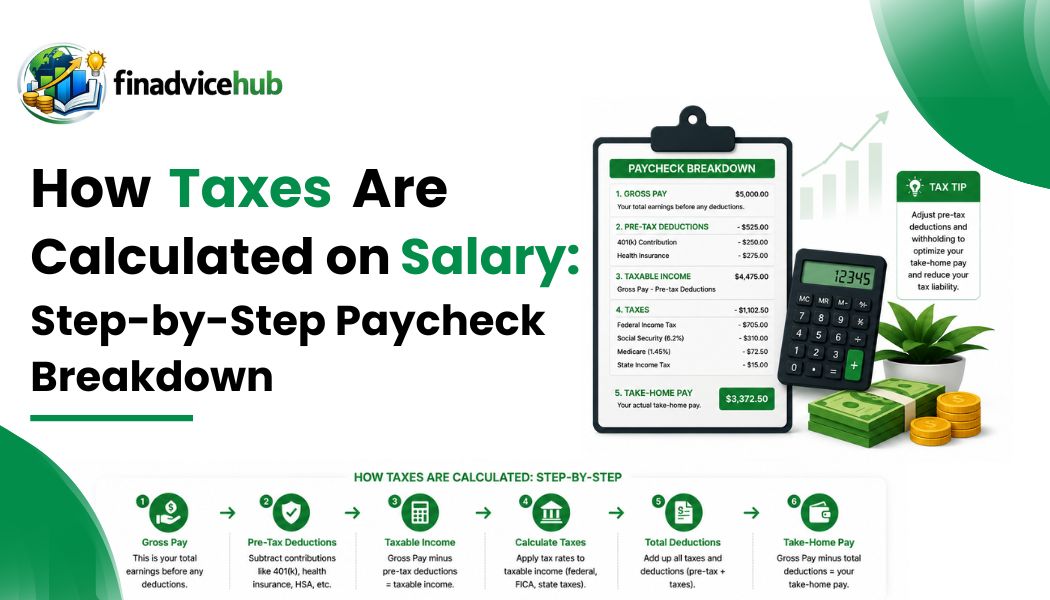
Take-home pay
Annual: —Keep: —
Federal tax
State tax
FICA
Deductions
ItemPer paycheckAnnual
Investment details
$
$
$
Determines your rate
%
$
Please enter purchase price and sale price.
Total tax owed
Rate: —Net profit: —
Capital gain
Federal tax
State tax
Net profit
Net profit
Total tax
Income & withholding
$
$
$
Please enter your expected annual income.
Quarterly payment
Annual tax: —
Income tax
SE tax
Total owed
Withheld
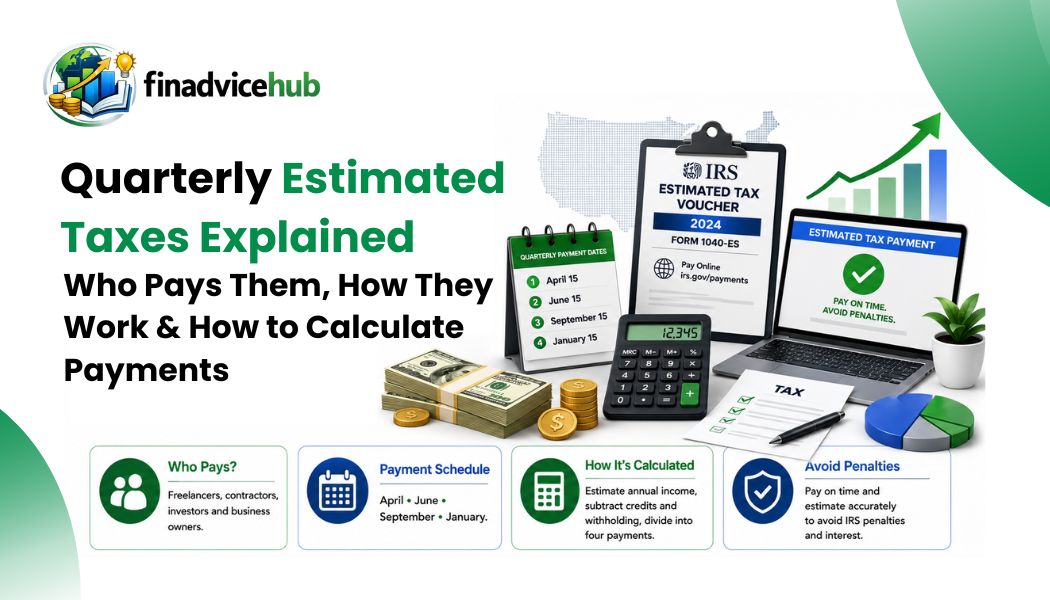
2025 payment due dates
QuarterPeriodDue dateAmount
Q1Jan–MarApr 15, 2025
Q2Apr–MayJun 16, 2025
Q3Jun–AugSep 15, 2025
Q4Sep–DecJan 15, 2026

Tax Calculators

What is Income Tax

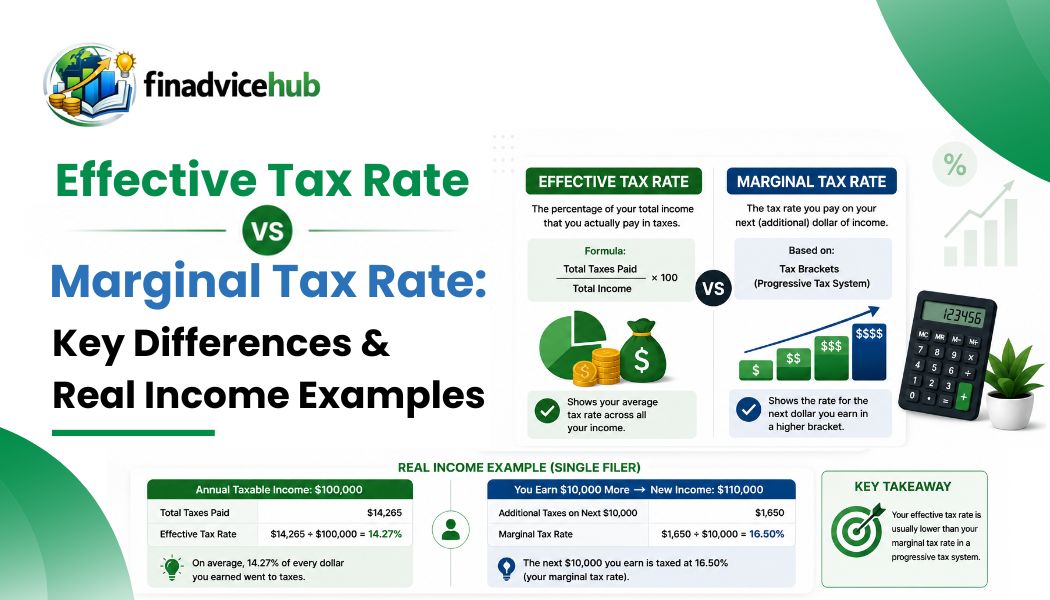
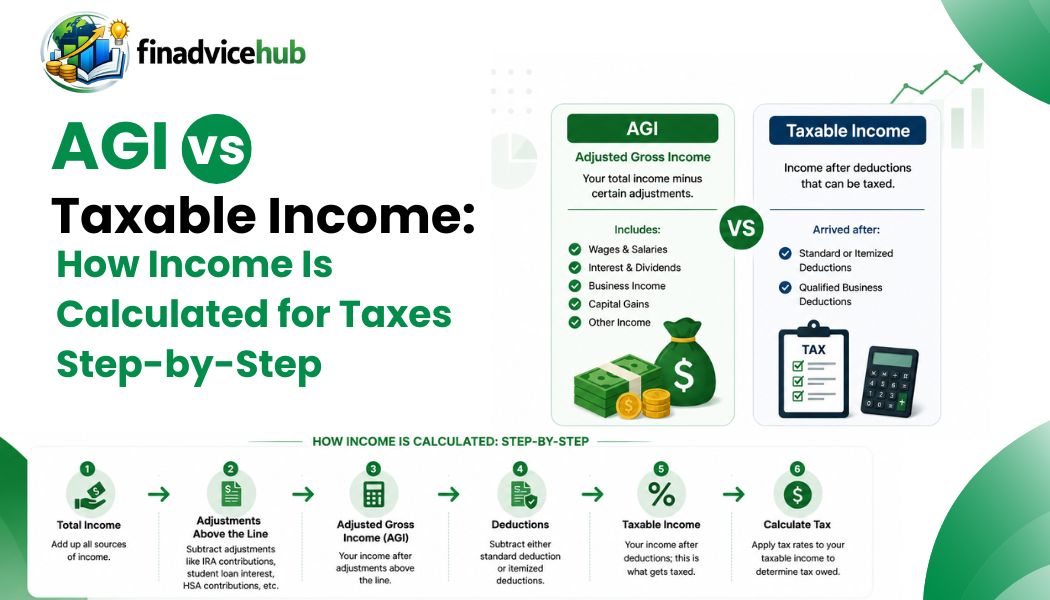
Income tax is the tax you pay on money you earn. This includes wages, freelance income, and sometimes investment earnings. In the U.S., income tax depends on how much you earn during the year. Higher income is taxed at higher rates, but only in portions, not all at once.

What is Taxable Income

Taxable income is the part of your income that is used to calculate your tax. It may be lower than your total income because deductions can reduce it. For example, if you earn $50,000 and qualify for $10,000 in deductions, you may only be taxed on $40,000.

What are Tax Deductions

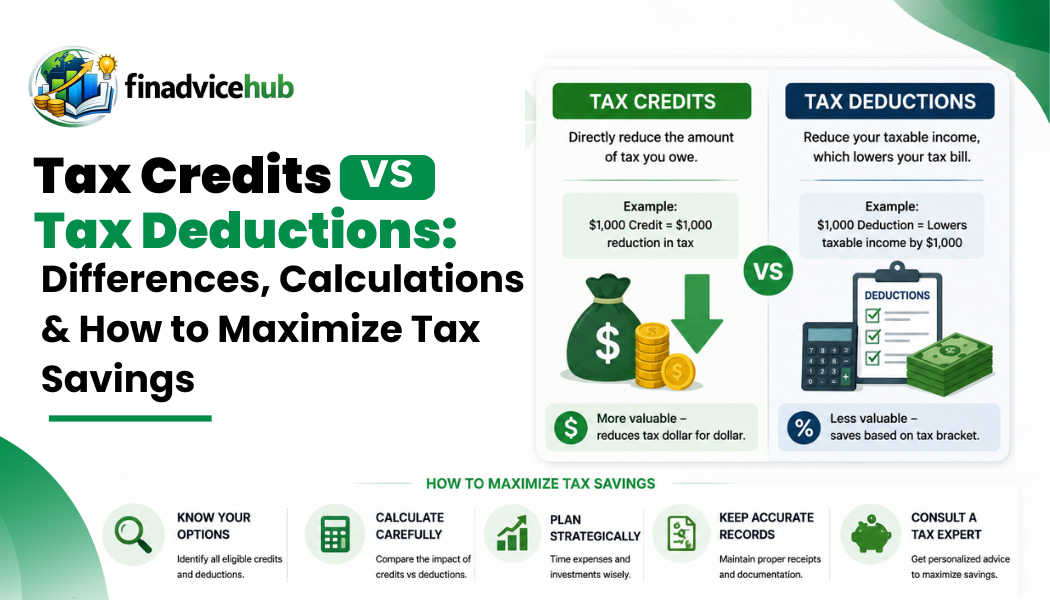
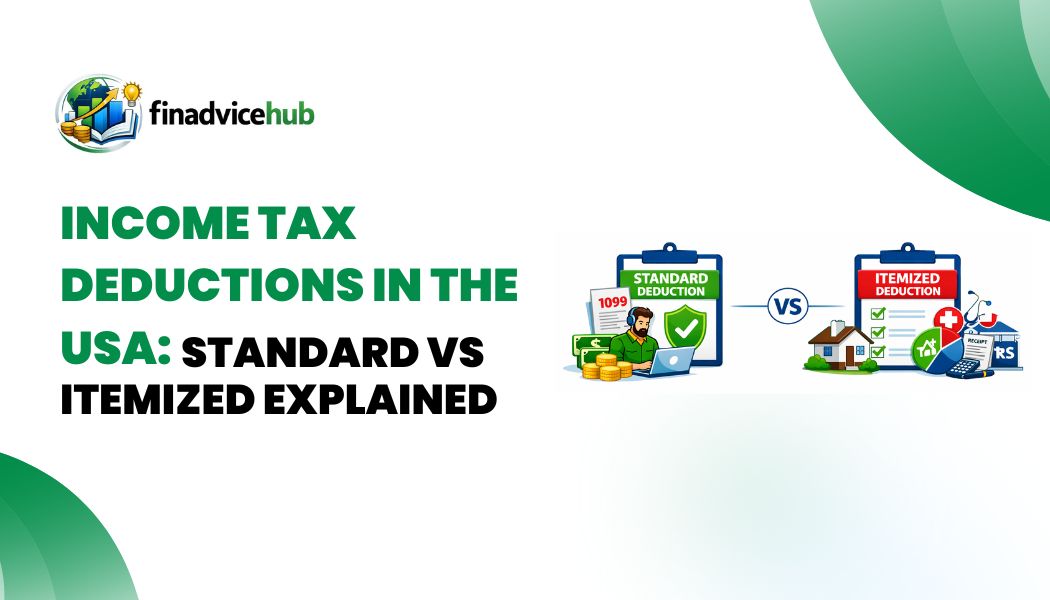
Deductions reduce the amount of income that is taxed. They don’t directly cut your tax bill but can still lower it by reducing taxable income. Common examples include certain business expenses, student loan interest, or mortgage interest. You can choose a standard deduction or itemize, depending on your situation.

What are Tax Credits

Tax credits directly reduce the amount of tax you owe. For example, if you owe $1,500 and have a $500 credit, you only pay $1,000. Some credits can even give you a refund if they reduce your tax below zero.

Quick Comparison: Deductions vs Credits

Feature
Tax Deductions
Tax Credits
What it does
Reduces taxable income
Reduces actual tax owed
Impact
Indirect savings
Direct savings
Example
Deduct $1,000 → taxed on less income
$1,000 credit → pay $1,000 less tax
Best for
Lowering income level
Cutting final tax bill

FAQ’s

Start with your total income, subtract any deductions, then apply the tax rates. A calculator can help you get a quick estimate.

Deductions reduce the income you’re taxed on. Credits reduce the actual tax you have to pay.
Freelancers are responsible for their own taxes, including Social Security and Medicare. However, they can also claim business-related expenses to reduce their tax.
It’s usually April 15 each year, unless the date changes due to weekends or holidays.
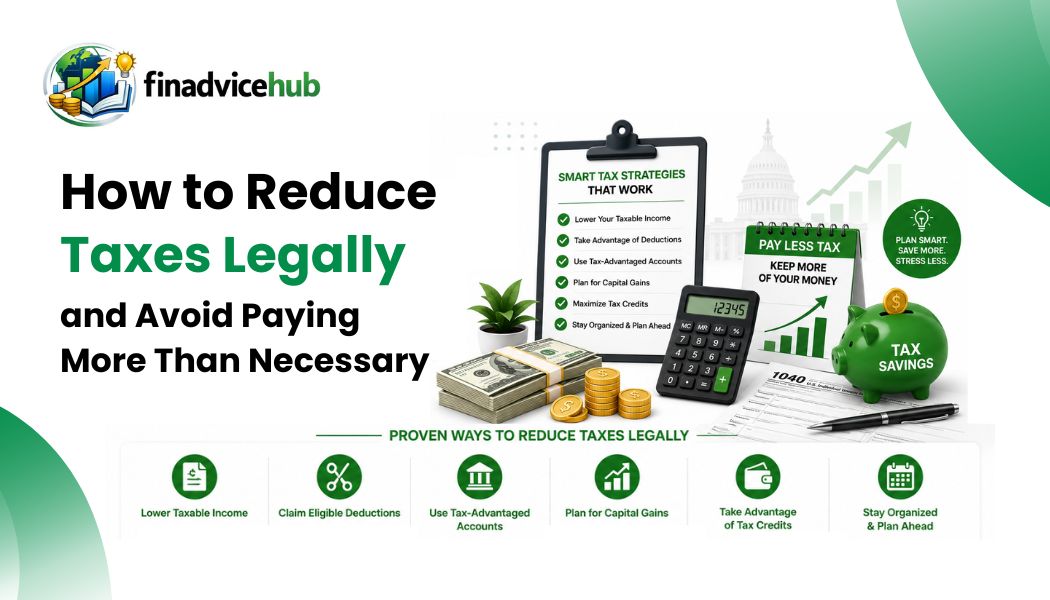
You can lower your taxes by using deductions, claiming credits, and keeping track of eligible expenses throughout the year.