
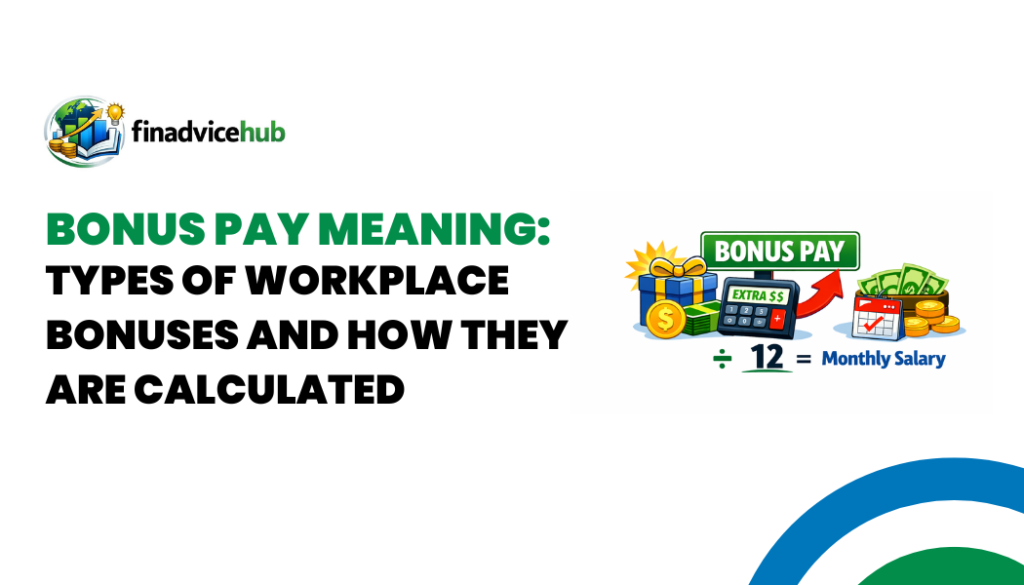
Understanding bonus pay meaning is essential for employees who want to make the most of their earnings and manage their finances efficiently. Bonus pay is more than just extra money; it can significantly impact your total annual income, help you achieve financial goals, and provide motivation to excel in your role. By understanding how bonuses work, you can plan and make informed decisions about spending, saving, and investing.
Bonuses are a key component of employee compensation. Unlike a regular salary, which is fixed, bonuses can vary depending on company performance, individual achievements, or specific milestones. They can take many forms, including performance-based incentives, annual holiday bonuses, signing bonuses for new hires, retention bonuses, and profit-sharing rewards. Each type has its own calculation method, eligibility criteria, and timing, which can influence how and when the bonus appears on your paycheck.
This guide will break down the types of workplace bonuses, how employers calculate them, and what employees should know about bonus compensation. With clear examples, tables, and actionable tips, you’ll gain a better understanding of how bonuses can enhance your overall financial picture and help you plan for both short-term and long-term financial goals.
What Bonus Pay Means in Employee Compensation
Definition of Bonus Pay
Bonus pay refers to additional compensation given to employees on top of their regular salary or wages. Unlike a standard paycheck, which is guaranteed, bonus payments are typically discretionary or based on company performance, individual achievements, or special conditions.
Key Points:
- It can be one-time or recurring.
- Usually tied to performance, loyalty, or company profits.
- Often used as a motivational tool in organizations.
Why Companies Offer Bonuses
Companies use bonuses to:
- Encourage employees to meet performance goals.
- Retain top talent with financial incentives.
- Share company profits and reward loyalty.
- Motivate employees during peak business periods.
Difference Between Salary and Bonus Compensation
| Feature | Salary | Bonus Pay |
| Guaranteed? | Yes, regular intervals | Often discretionary |
| Calculation | Fixed or hourly | Varies (performance, company profit, fixed) |
| Taxation | Standard income tax | Often subject to supplemental tax rules |
| Frequency | Weekly, bi-weekly, monthly | One-time, annual, or performance-based |
How Bonuses Appear on Paychecks
Bonus payments are typically listed separately on your payroll statement. They may appear as “Bonus Pay”, “Incentive Compensation”, or “Reward Payment”, making it clear that this is in addition to your base salary.
When Employees Typically Receive Bonuses
- Annual or holiday bonuses: End of the fiscal year or holiday season.
- Performance bonuses: At the end of a performance cycle, such as quarterly or yearly.
- Signing bonuses: When a new employee joins the company.
- Retention bonuses: Usually paid after an agreed period of service.
Common Types of Employee Bonuses
Performance Bonuses
Performance bonus pay rewards employees for meeting or exceeding individual, team, or company targets. These bonuses align employee efforts with organizational goals and encourage high productivity.
Annual or Holiday Bonuses
Annual bonus payments are common at the end of the fiscal year or holiday season. They are often a percentage of salary or a fixed amount and reflect company profitability or employee tenure.
Signing Bonuses
A signing bonus is offered to new employees as an incentive to join the company. It is usually a one-time payment and may be contingent on staying with the company for a certain period.
Retention Bonuses
Retention bonuses encourage key employees to remain with the company during critical periods, such as mergers, acquisitions, or project completions.
Profit-Sharing Bonuses
Profit-sharing bonuses distribute a portion of the company’s profits among employees. These bonuses promote a sense of ownership and reward employees for contributing to overall business success.
Table: Types of Employee Bonuses
| Bonus Type | Purpose | Timing | Example |
| Performance Bonus | Reward achievements | Quarterly/Yearly | 10% of quarterly sales |
| Annual/Holiday Bonus | Reward loyalty/profit | Year-end | $2,000 flat bonus |
| Signing Bonus | Attract talent | Joining date | $5,000 one-time |
| Retention Bonus | Retain employees | Contract milestone | $3,000 after 12 months |
| Profit-Sharing Bonus | Share profits | Annual | 5% of company profits |
How Employers Calculate Bonus Pay
Employers use several methods to calculate employee bonus pay, depending on the type of bonus and company policies. Understanding these methods can help you anticipate potential earnings and plan your finances more effectively.
Percentage of Salary Method
One common approach is the percentage of salary method, where bonuses are calculated as a fixed percentage of an employee’s base pay. For example, if an employee earns $60,000 annually and the company offers a 10% annual bonus, the resulting bonus would be $6,000. This method is simple and predictable, making it easy for employees to estimate their potential bonus. Companies often use this for performance-based or holiday bonuses.
Fixed Bonus Amounts
Some companies offer flat bonus amounts, which are not tied to an employee’s salary. This is typical for holiday bonuses or signing bonuses. For instance, a new hire might receive a $5,000 signing bonus, while all employees receive a $2,000 end-of-year bonus regardless of their pay level. This method ensures fairness and simplifies budgeting for employers.
Performance-Based Bonus Formulas
Performance bonuses are calculated based on individual or team achievements. A typical formula might be:
Bonus = Base Amount × (Performance Score ÷ Target Score)
For example, if your base bonus is $4,000 and you achieve 120% of your target, your bonus would be:
$4,000 × (120 ÷ 100) = $4,800
This method rewards employees who exceed expectations and encourages consistent high performance.
Team or Company Performance Metrics
Bonuses may also be tied to team or company-wide goals. This can include revenue growth, profit-sharing, or successful project completion. For instance, a team may receive a 5% bonus if quarterly revenue exceeds $1 million. Linking bonuses to collective results promotes collaboration and aligns employee efforts with the company’s overall success.
Bonus Calculation Examples
| Employee | Base Salary | Bonus Type | Calculation | Bonus Amount |
| John | $70,000 | Performance | 10% × $70,000 | $7,000 |
| Sarah | $50,000 | Annual | Fixed | $2,500 |
| Mike | $90,000 | Profit-Sharing | 5% × company profit | $4,500 |
How Bonus Payments Affect Paychecks
How Bonuses Appear on Payroll Statements
Bonus payments are usually itemized separately to ensure transparency. They may be listed as incentive compensation, reward payment, or additional pay.
Bonus Payment Schedules
| Bonus Type | Typical Schedule | Notes |
| Performance Bonus | Quarterly or annually | Based on the evaluation period |
| Annual/Holiday Bonus | End-of-year | Usually fixed or % of salary |
| Signing Bonus | At hiring | One-time |
| Retention Bonus | Contract milestone | Paid after specific tenure |
One-Time Bonus vs Recurring Bonuses
- One-time bonuses: Signing, retention, or spot bonuses.
- Recurring bonuses: Annual performance or profit-sharing bonuses.
Impact on Annual Income
Bonuses can significantly increase annual earnings and may affect future raises, promotions, or retirement contributions.
Bonus Distribution Methods
- Direct deposit into payroll accounts.
- Included in the next paycheck.
- Separate check with itemized explanation.
Tax Treatment of Bonus Pay
Federal Tax Withholding on Bonuses
Bonuses are subject to federal income tax. They may be treated as supplemental wages, often taxed at a flat rate (currently 22%).
Supplemental Income Tax Rules
Supplemental wages, including most bonus pay, may be combined with regular wages for withholding purposes or taxed separately.
Differences Between Regular Salary Tax and Bonus Tax
| Type | Tax Withholding | Notes |
| Regular Salary | Based on W-4 | Progressive tax rates |
| Bonus Pay | Flat rate or combined | Can appear lower due to withholding |
Example Bonus Tax Calculations
| Bonus Amount | Federal Tax (22%) | Net Bonus |
| $5,000 | $1,100 | $3,900 |
| $10,000 | $2,200 | $7,800 |
Why Bonus Paychecks Sometimes Look Smaller
Tax withholding on bonuses can make them seem smaller than expected, especially if federal, state, and local taxes are applied.
Best Practices for Understanding Bonus Compensation
Understanding your bonus compensation is essential for maximizing earnings and avoiding surprises in your paycheck. By following a few best practices, you can ensure you are fully informed about how bonuses are calculated, when they are paid, and how to use them effectively.
Reviewing Company Bonus Policies
The first step is to carefully review your company’s bonus policies. These policies often outline eligibility requirements, bonus types, payout schedules, and any performance criteria. Knowing these details helps you plan your expectations and understand the conditions for receiving employee bonus pay. For instance, some companies require employees to be active for a full fiscal year to qualify for annual bonuses.
Tracking Performance Targets
For performance-based bonuses, it’s crucial to maintain clear records of your goals and achievements. Track completed projects, sales targets, or other measurable outcomes. Having a documented record ensures you receive the correct performance bonus pay and gives you evidence if discrepancies arise. For example, if your quarterly sales exceeded the target, keeping track helps validate the bonus calculation.
Understanding Payout Conditions
Many bonuses are contingent on specific conditions such as tenure, profitability, or milestone completion. For instance, a retention bonus may only be paid if you stay with the company for a designated period. Being aware of these conditions allows you to plan your career moves strategically and avoid misunderstandings about bonus compensation.
Planning Finances Around Bonus Income
While bonuses can significantly boost your annual income, it’s important not to treat them as guaranteed funds. Use bonus payments wisely, consider paying off debt, adding to savings, or investing in long-term goals. Planning ensures that your bonus contributes to financial stability rather than short-term spending.
Monitoring Bonus Trends in Your Paycheck
Finally, regularly review your payroll statements to ensure your bonus earnings are calculated correctly. Compare the amounts with your company’s bonus policy and your performance records. Monitoring trends over time can help you understand typical bonus payout schedules, anticipate fluctuations, and avoid surprises during tax season.
Conclusion
Understanding the meaning of bonus pay and the different types of employee bonuses helps you make informed financial decisions. From performance bonuses to annual and retention bonuses, knowing how they are calculated and taxed ensures you can plan your finances effectively. With careful attention to company policies and performance metrics, you can maximize your work bonus payout and optimize your annual income.
FAQs
What is the difference between a performance bonus and an annual bonus?
A performance bonus is tied to individual or team achievements, while an annual bonus is usually a fixed amount based on company profitability or employee tenure.
How are bonuses taxed differently from regular salary?
Bonuses are often considered supplemental wages and may be taxed at a flat rate, making the net amount appear smaller.
Can bonuses be guaranteed?
Some bonuses, like signing or retention bonuses, can be guaranteed in employment contracts, but most performance bonuses are discretionary.
How often do companies pay bonuses?
Bonuses can be paid annually, quarterly, at hiring, or after achieving specific milestones. Payment schedules vary by company.
How can I maximize my bonus pay?
Focus on meeting performance goals, understanding your company’s bonus policies, and tracking achievements carefully.