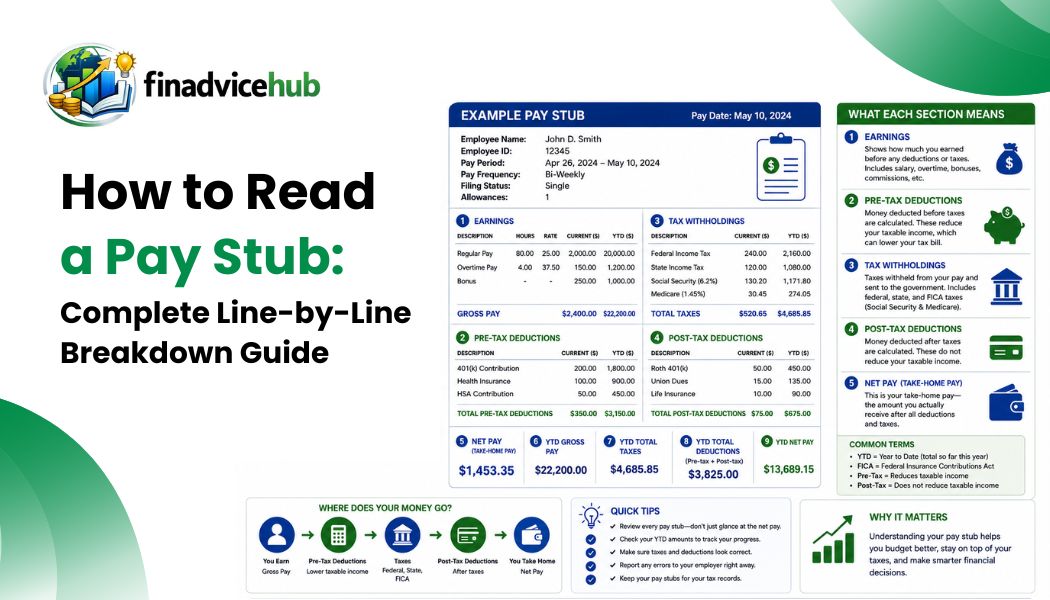


Understanding the difference between gross pay, taxable income, and net pay is one of the most important parts of understanding your paycheck. Many employees look at their salary offer or hourly wage and assume that amount is what they will receive. However, the amount shown on a job offer is usually gross pay, while the money deposited into a bank account is net pay.
The difference between gross vs taxable vs net income comes from the way earnings are processed through payroll. Employers first calculate the employee’s total earnings, then apply eligible deductions and tax calculations before arriving at the final take-home amount. Each stage represents a different financial measurement and serves a different purpose.
In simple terms, gross pay is the starting point of your earnings, taxable income is the amount used to calculate taxes after applicable adjustments, and net pay is the amount you actually receive after taxes and deductions are removed.
The complete paycheck process can be understood as:
Gross Pay → Taxable Income → Net Pay
Understanding the 3 Types of Income in a Paycheck
A paycheck contains more details than the final amount an employee receives. Each payment goes through a calculation process that separates earnings into different income categories. These categories show how money moves from an employer’s total compensation amount to the final payment received by an employee.
The three primary income categories are gross pay, taxable income, and net pay. Although these terms often appear together, each one represents a different stage of payroll processing.
Gross pay shows total earnings before deductions. Taxable income represents the portion of earnings used for tax calculations after eligible adjustments. Net pay is the remaining amount after taxes and deductions have been removed.
Together, these figures create a 3-layer income comparison:
- Gross pay: Total earnings before deductions
- Taxable income: Earnings subject to tax calculations
- Net pay: Final take-home amount received
This breakdown provides a clearer view of how salary turns into actual income.
What Is Gross Pay?
Gross pay is the total amount earned before taxes, insurance payments, retirement contributions, and other deductions are applied. It is the starting point of the payroll process and reflects the full value of an employee’s compensation.
For salaried employees, gross pay is commonly calculated by dividing the annual salary by the number of pay periods in a year. Hourly employees calculate gross pay by multiplying their hourly rate by the number of hours worked during a specific period.
Additional earnings, including overtime, bonuses, and commissions, can increase gross pay.
For example, an employee earning $72,000 annually has a gross income of $72,000 before deductions. However, the employee will not necessarily receive that full amount as spendable income because taxes and payroll deductions reduce the final payment.
Gross pay is useful when comparing job offers because it shows an employer’s total compensation commitment. However, it does not represent the amount available for daily expenses.
Salary vs Hourly Gross Income
The calculation of gross income depends on whether earnings come from a fixed salary or hourly work.
A salaried employee receives a predetermined amount over a specific period. For example, an employee earning $96,000 per year and receiving monthly payments has a gross monthly income of $8,000 before deductions.
Hourly workers calculate earnings based on hours worked. An employee earning $30 per hour and working 160 hours in a month would have gross earnings of:
$30 × 160 = $4,800
Overtime, schedule changes, and additional payments can cause hourly gross income to change from one paycheck to another.
These differences affect payroll income levels because employees with the same annual earning potential may experience different paycheck amounts depending on how their compensation is structured.
Why Taxable Income Is Lower Than Gross
After gross pay is calculated, payroll systems determine which portion of earnings is subject to taxes. This amount is known as taxable income.
A common question is why taxable income is lower than gross pay. The reason is that certain deductions and adjustments may reduce the amount used for tax calculations.
For example, retirement contributions or eligible workplace deductions may lower taxable earnings. An employee earning $80,000 in gross income may have a different taxable amount after these adjustments are applied.
Gross income represents total earnings, while taxable income reflects the amount considered for taxation. Because they serve different purposes, these figures may appear differently on pay statements and tax documents.
Including Bonuses and Overtime
Gross pay includes more than regular salary or hourly wages. Additional compensation can also increase total earnings.
Bonuses, overtime payments, commissions, and performance incentives contribute to gross income. For example, an employee earning a $65,000 base salary with a $5,000 bonus has total gross earnings of $70,000 before deductions.
These additional payments may also affect taxable income and net pay. The final amount received depends on applicable taxes and payroll deductions.
Gross Income Examples
Examples make the payroll process easier to visualize.
A salaried employee earning $78,000 annually and receiving monthly payments would have:
$78,000 ÷ 12 = $6,500
The gross monthly pay is $6,500 before deductions.
An hourly employee earning $25 per hour and working 170 hours in a month would have:
$25 × 170 = $4,250
The gross monthly earnings are $4,250 before taxes and deductions. These examples show that gross income represents total earnings but does not indicate the final amount deposited into an account.
A gross vs net vs take-home pay example shows the complete transition:
- Gross pay: $6,500
- Taxable income: Reduced after eligible adjustments
- Net pay: Remaining amount after taxes and deductions
This real paycheck income comparison shows why salary figures and actual received income can be different.
How Gross Pay Becomes Net Income
Employees often want to know how to calculate net income because it represents the amount available after payroll deductions.
The basic calculation is:
Gross Pay − Taxes − Deductions = Net Pay
Taxes, insurance costs, retirement contributions, and other deductions reduce gross earnings before payment is issued.
The final amount represents tax-adjusted income and provides a more accurate picture of available money than gross salary alone.
Limitations of Gross Pay
Gross pay is an important measure of compensation, but it does not show actual financial availability. Employees usually cannot spend their entire gross salary because deductions reduce the amount received. Health insurance, retirement contributions, taxes, and other payroll costs can significantly change the final paycheck.
This is why comparing only gross salary can create an incomplete picture. A job with higher gross pay may not always provide more take-home income if deductions are higher.
A complete paycheck income breakdown explained through gross pay, taxable income, and net pay gives a more realistic view of earnings and financial resources.
Taxable Income Explained (After Pre-Tax Deductions)
Taxable income is the second stage in the journey from gross earnings to final take-home pay. After an employee earns gross pay, certain deductions and adjustments may reduce the amount of income that is considered taxable. The remaining amount is used to determine how much tax is calculated and withheld.
The taxable income meaning on a paycheck refers to the portion of earnings that is subject to taxation after applying eligible adjustments. It is different from gross pay because not every dollar earned is always treated the same way for tax purposes.
Many employees notice that their taxable wages are lower than their total earnings and wonder why. This difference exists because some contributions and benefits may be deducted before taxes are calculated. These deductions can reduce taxable income while also affecting the final paycheck amount.
Understanding taxable income is an important part of understanding gross vs taxable vs net income because it explains the middle step between total earnings and actual take-home pay.
How Taxable Income Is Calculated
Taxable income is calculated by starting with gross pay and then applying qualifying adjustments and deductions according to applicable tax rules. While the exact calculation depends on individual circumstances, the general process follows a simple pattern.
Gross pay represents the employee’s total earnings. From this amount, eligible pre-tax deductions may be removed. The remaining amount becomes the income used for tax calculations.
For example, imagine an employee earns $7,000 in monthly gross pay. The employee contributes $500 toward an eligible retirement plan and pays $200 toward an eligible workplace benefit. The adjusted amount would be:
$7,000 − $700 = $6,300
In this simplified example, $6,300 represents the amount considered before applying tax calculations.
The actual taxable income calculation can vary depending on tax regulations, location, employment benefits, and personal financial circumstances. However, the main concept remains the same: taxable income is generally a tax-adjusted version of gross earnings.
Pre-Tax Deductions Impact
Pre-tax deductions play an important role in the relationship between gross pay and taxable income. These deductions are amounts removed from earnings before certain taxes are calculated.
Common examples may include qualifying retirement contributions, some employer-sponsored health benefits, and other eligible workplace programs. Because these amounts are removed before taxation, they can lower the income amount used for certain tax calculations.
For example, two employees may both earn a gross salary of $85,000 per year. One employee contributes more toward eligible retirement benefits, while the other contributes less. Although their gross income is identical, their taxable income may be different.
This explains why looking only at gross salary does not always provide a complete picture of an employee’s financial situation. A complete paycheck income breakdown requires knowledge of how deductions influence taxable income and net pay.
Common Adjustments
Taxable income may change because of different adjustments that apply to an individual’s situation. These adjustments are designed to determine which portion of earnings should be considered when calculating taxes.
Depending on the employee and applicable rules, adjustments may involve retirement contributions, workplace benefits, or other qualifying deductions. The purpose of these adjustments is to calculate a more accurate taxable amount rather than simply applying taxes to total earnings.
This distinction is especially important for employees comparing income documents. The salary listed in an employment agreement, the gross pay shown on a paycheck, and the taxable income reported for tax purposes may all show different numbers.
Example Calculation
Consider a simplified monthly income example.
An employee earns:
Gross pay: $8,000
The employee has:
Retirement contribution: $600
Eligible benefit deduction: $300
Total pre-tax deductions:
$900
The estimated taxable income calculation would be:
$8,000 − $900 = $7,100
After taxable income is determined, applicable taxes and additional deductions are calculated to arrive at the final net pay amount.
This example demonstrates why taxable income is often lower than gross income. The difference is created by adjustments that happen before taxes are applied.
Net Pay Explained (Final Take-Home Income)
Net pay is the final amount an employee receives after taxes and deductions have been removed from gross earnings. It is commonly known as take-home pay because it represents the money that actually reaches the employee.
When people discuss gross income vs take home pay, they are usually comparing the difference between total earnings and usable income. Gross income shows what was earned, while net pay shows what remains after the payroll process is complete.
Net pay is usually the most important income figure for everyday financial decisions because it determines how much money is available for expenses, savings, and personal goals.
A person may have a high gross salary but a much lower net income after taxes, insurance, retirement contributions, and other deductions are applied.
What Reduces Net Income
Several factors can reduce the final amount an employee receives. Some deductions are required, while others are optional choices made by the employee.
Taxes are one of the biggest factors affecting net pay. Depending on the employee’s circumstances, payroll taxes, income tax withholding, and other required deductions can significantly reduce gross earnings.
Other reductions may include workplace benefits, retirement contributions, insurance premiums, loan repayments, or voluntary programs.
For example, an employee earning $7,500 in monthly gross pay may have several deductions applied before receiving their final paycheck. After taxes and deductions are removed, the employee may receive a significantly smaller amount.
This difference between gross and net salary is why employees should evaluate compensation based on both earnings and deductions.
Taxes and Deductions Impact
Taxes and deductions directly influence the final paycheck amount. The payroll process separates gross earnings into different categories before calculating the final payment.
A simplified example:
Gross pay: $6,500
Pre-tax deductions: $700
Taxable income estimate: $5,800
Taxes withheld: $1,300
Other deductions: $200
Estimated net pay:
$6,500 − $700 − $1,300 − $200 = $4,300
The employee earned $6,500 but received approximately $4,300 after the payroll process.
This example shows the difference between earning money and receiving money. Gross pay reflects compensation, while net pay reflects actual income available for use.
Post-Tax Deductions
Not all deductions happen before taxes. Some deductions are applied after tax calculations have already taken place.
Post-tax deductions reduce the final paycheck amount after taxes have been calculated. Depending on the payroll arrangement, these may include certain insurance costs, repayment programs, or employee-selected deductions.
The difference between pre-tax and post-tax deductions is important because both affect the final net pay amount, but work differently within the payroll calculation process.
Net Income Example
Consider an employee earning an annual salary of $96,000.
The monthly gross salary is:
$96,000 ÷ 12 = $8,000
The employee has:
Pre-tax deductions: $900
Estimated taxable income:
$8,000 − $900 = $7,100
After taxes and other deductions:
Taxes and deductions: $2,000
Final net pay:
$8,000 − $900 − $2,000 = $5,100
The employee’s gross monthly salary is $8,000, but the actual amount received is approximately $5,100.
This example demonstrates the complete relationship between gross pay, taxable income, and net pay.
Key Differences Between Gross, Taxable & Net Income
The difference between gross, taxable, and net income becomes easier to understand when each income type is viewed as a different stage of the paycheck process.
Gross pay represents total earnings before deductions. Taxable income represents the adjusted amount used for tax calculations. Net pay represents the final amount received after taxes and deductions.
These three income categories answer different financial questions. Gross pay answers, “How much did I earn?” Taxable income answers, “How much income is considered for tax purposes?” Net pay answers, “How much money do I actually receive?”
Comparison Table
| Income Type | Explanation |
| Gross Pay | Total earnings before taxes and deductions are applied |
| Taxable Income | Income amount considered for tax calculations after eligible adjustments |
| Net Pay | Final amount received after taxes and deductions |
Gross pay is generally the highest amount because it represents earnings before reductions. Taxable income is often lower because certain adjustments may apply. Net pay is usually the lowest because it reflects the final amount after all deductions.
Calculation Differences
The calculation differences between these income types follow a clear sequence. First, an employer calculates gross earnings based on salary, wages, overtime, bonuses, or other compensation. Next, eligible adjustments may reduce the amount used for tax calculations. Finally, taxes and additional deductions are removed to determine net pay.
This process explains why a paycheck may contain several different income figures. Each number represents a different stage of the same earnings process.
Financial Impact
Each income category has a different financial purpose. Gross pay is useful for comparing job opportunities or figuring out how much you’ll be paid. Taxable income is important for calculating your taxes. Net pay is the most useful number for personal budgeting because it represents the money you actually have available to spend.
People who understand these differences can make better financial decisions because they know the difference between reported earnings and usable income.
Real-Life Example
Imagine two employees both earn a gross salary of $90,000 per year.
The first employee contributes significantly to retirement savings and chooses additional workplace benefits. The second employee contributes less and has fewer deductions.
Although both employees have the same gross income, their taxable income and net pay may differ.
This example shows why salary comparisons should consider the complete paycheck income breakdown rather than looking only at gross earnings.
Step-by-Step Income Transformation (Gross → Net)
Learning how money moves from gross earnings to final take-home pay makes it easier to understand the complete gross vs taxable vs net income relationship. Every paycheck follows a similar process, although the exact deductions and tax calculations depend on an employee’s situation.
The journey from gross pay to net pay can be viewed as an income transformation process. Your employer begins with your total earnings, applies adjustments and deductions, calculates taxes, and then provides the remaining amount as your final paycheck.
This process explains why your advertised salary, taxable income, and bank deposit may all show different numbers.
Step 1: Gross Income
The first step in the calculation process is determining gross income. This represents the full amount earned before any taxes or deductions are removed.
For salaried employees, gross income usually comes from the agreed annual salary divided by the number of pay periods. For hourly employees, gross income is calculated based on hours worked multiplied by the hourly rate.
Gross income may also include additional compensation such as overtime, bonuses, commissions, or incentive payments.
For example, an employee earning $75,000 annually may have a monthly gross income of $6,250 before deductions. At this stage, the amount represents total earnings but not actual take-home income.
Gross income is important when evaluating earning potential, but it does not show how much money an employee can spend.
Step 2: Deductions
After gross income is calculated, the next step involves applying deductions. These deductions can affect taxable income and final net pay.
Some deductions happen before taxes are calculated, while others happen after taxes are applied. Pre-tax deductions may reduce taxable income, while post-tax deductions reduce the final amount received.
For example, an employee earning $6,250 per month may contribute money toward retirement savings and workplace benefits. These deductions can change the taxable income calculation and influence the final paycheck amount.
Deductions is one of the most important parts of a paycheck income breakdown because deductions explain why gross earnings and take-home pay are different.
Step 3: Taxes
After taxable income is determined, taxes are calculated and withheld according to applicable rules.
Taxes reduce the amount of money available after payroll processing. The exact amount depends on several factors, including income level, location, filing status, and applicable tax regulations.
This stage explains why employees often see a significant difference between their salary and their final paycheck.
For example, an employee may have a gross monthly income of $7,000, but after deductions and taxes, the final amount received may be several thousand dollars lower.
Understanding how taxes reduce salary helps employees make more accurate financial decisions and avoid unrealistic expectations.
Step 4: Final Net Income
The final step is calculating net income, also known as take-home pay. Net income represents the amount remaining after all required taxes and deductions have been applied. It is the money an employee can actually use for expenses, savings, and personal financial goals.
The basic formula is:
Gross Pay − Deductions − Taxes = Net Pay
For example:
Gross income: $7,000
Deductions: $800
Taxes: $1,500
Estimated net income:
$7,000 − $800 − $1,500 = $4,700
The employee earned $7,000 but received $4,700 after the payroll calculation process.
Real Paycheck Example (Full Breakdown)
A real paycheck example helps demonstrate how gross pay vs net pay difference works in everyday situations. Many employees understand their salary amount, but become confused when their actual paycheck deposit is lower.
The following example provides a simplified paycheck income breakdown. Actual results may vary depending on tax laws, benefits, location, and personal financial circumstances.
Scenario Setup
Imagine an employee receives an annual salary of $84,000.
The employee is paid monthly.
Monthly gross income:
$84,000 ÷ 12 = $7,000
Before deductions, the employee earns $7,000 each month.
The employee also chooses workplace benefits:
Retirement contribution: $500 per month
Health insurance contribution: $250 per month
Total pre-tax deductions:
$750
After applying these deductions, the employee’s taxable income becomes lower than the original gross pay.
Calculation Walkthrough
The paycheck calculation begins with gross earnings.
The employee starts with:
Gross Pay: $7,000
Next, eligible deductions are applied:
Retirement contribution: $500
Health benefit contribution: $250
Remaining income:
$7,000 − $750 = $6,250
This represents the adjusted income amount used for tax calculations in this simplified example.
After taxes and other deductions are applied, the employee receives the final paycheck amount.
Assume:
Taxes withheld: $1,500
Additional deductions: $100
Final calculation:
$7,000 − $750 − $1,500 − $100 = $4,650
The employee receives approximately:
Net Pay: $4,650
Comparison Results
This example shows the three different income stages clearly.
The employee’s gross pay is $7,000 because that is the total amount earned before deductions.
The employee’s taxable income is approximately $6,250 because certain deductions reduced the amount considered for tax calculations.
The employee’s net pay is approximately $4,650 because taxes and other deductions reduced the final amount received.
This is the practical difference between gross income, taxable income, and take-home pay.
Insights
The biggest lesson from this income calculation example is that salary numbers alone do not tell the complete financial story.
Gross pay is useful when discussing compensation, but net pay is what determines everyday financial ability.
Employees comparing job offers should consider more than just salary. Benefits, deductions, retirement options, and estimated take-home pay all influence the real value of a compensation package.
Why Understanding These Differences Matters
Understanding the difference between gross pay, taxable income, and net pay helps people make better financial decisions. These income categories affect everything from budgeting and saving to evaluating job opportunities and understanding real income after taxes.
Many financial mistakes happen because people focus only on gross earnings without considering how much money actually reaches their account. A salary figure may look impressive, but the paycheck income breakdown tells a more complete story by showing how earnings are transformed through taxes, deductions, and other adjustments.
Budgeting Accuracy
Budgeting based on gross income can create unrealistic expectations because gross pay does not represent available spending money. Gross income shows total earnings before deductions, while net income reflects the amount available after payroll adjustments.
For example, someone earning a $100,000 salary may create a monthly budget using the full salary amount. However, after taxes, retirement contributions, insurance premiums, and other salary deductions are removed, the actual available income may be much lower.
A realistic budget should be based on net pay because net income reflects the money employees can actually use. Using take-home pay for budgeting helps individuals make better decisions about housing costs, monthly expenses, savings goals, and debt payments.
This is one reason understanding gross vs net vs take-home pay examples is important. A person’s listed salary and their usable income are often different amounts.
Financial Planning
Gross income helps measure career growth and earning potential. Taxable income helps explain tax responsibilities, while net income determines how much money can realistically be allocated toward financial goals.
When planning for major expenses such as buying a home, building savings, or investing, individuals need to understand their actual income after deductions. A clear understanding of net income calculation salary methods allows people to create more accurate financial plans.
Looking at the complete earnings breakdown provides a clearer picture of income calculation differences and helps individuals understand how compensation layers affect their financial position.
Salary Expectations
Salary expectations can often become confusing because job listings usually advertise gross compensation rather than actual take-home pay.
A position offering a higher salary may not always provide significantly more money in an employee’s bank account. Differences in taxes, benefits, retirement contributions, and insurance costs can affect final paycheck amounts.
For example, one job may offer a higher salary but require expensive health benefits, while another may offer a slightly lower salary with stronger benefits. The better financial choice depends on the complete compensation package, not only the gross salary amount.
A proper salary income comparison should consider both gross earnings and estimated net income. Reviewing a gross-to-net conversion comparison can help employees understand the real value of different job offers.
Avoiding Surprises
Many employees experience unexpected paycheck amounts because they assume their salary equals their take-home pay.
Knowing the payroll process helps avoid this confusion. Before accepting a job offer, changing benefits, or adjusting retirement contributions, employees should estimate how these decisions affect their final paycheck.
Understanding paycheck income differences creates better financial awareness and helps explain why gross pay is higher than net pay. The difference between gross taxable and net income becomes clearer when employees understand each stage of the payroll process.
Common Misconceptions About Income Types
Many people misunderstand the relationship between gross pay, taxable income, and net pay because these terms represent different stages of the payroll process. Confusion often happens when employees assume one income figure represents their complete financial situation.
A better understanding of these income categories helps employees interpret paychecks correctly, compare job offers realistically, and make smarter financial decisions.
Gross Pay Equals Take-Home Pay Myth
One of the most common misconceptions is that gross pay and take-home pay are the same thing. Many employees believe that if they earn a certain salary, that exact amount is what they will receive.
However, gross pay represents earnings before deductions. Taxes, benefits, retirement contributions, and other payroll deductions reduce the amount that reaches an employee’s bank account.
For example, an employee earning a gross monthly salary of $8,000 will not usually receive $8,000 as spendable income. After taxes and deductions are applied, the final net pay amount will be lower.
This is the main reason understanding the gross pay vs net pay difference is important. Gross pay reflects total compensation, while net pay reflects actual financial resources.
Taxable Income Confusion
Another common misunderstanding is assuming taxable income and gross income are always identical.
Taxable income may be lower than gross pay because certain adjustments and deductions can reduce the amount considered for tax purposes. The taxable income shown on payroll records represents the amount used for applicable tax calculations, not necessarily the employee’s total earnings.
For example, an employee may earn $90,000 annually but have taxable wages that differ because of eligible deductions or workplace contributions.
Understanding what is taxable income on paycheck records helps employees explain why different financial documents may show different income amounts.
Ignoring Deductions
Many people focus only on salary numbers and ignore deductions when evaluating their financial situation.
However, deductions can significantly affect final take-home pay. Two employees earning the same gross salary may receive different net income amounts because of different benefits, retirement contributions, or other payroll choices.
A complete paycheck income breakdown requires understanding both earnings and deductions. These factors determine how gross income becomes taxable income and eventually becomes net income.
How to Estimate Take-Home Pay
Estimating take-home pay before receiving a paycheck can help employees plan finances more effectively. While exact calculations require personal tax information and current payroll rules, a basic estimate can provide a useful financial picture.
The goal is to understand the income transformation steps that convert gross earnings into usable income.
Quick Estimation Method
A simple way to estimate take-home pay is:
- Start with gross earnings.
- Subtract pre-tax deductions such as retirement contributions or workplace benefits.
- Estimate taxes and additional deductions.
- Calculate the remaining amount as expected net pay.
For example, an employee earning $6,000 per month may estimate how taxes and deductions reduce their earnings. The remaining amount provides a rough idea of expected take-home pay.
Using Percentages
Some employees estimate net income by applying an approximate percentage reduction to gross pay. This can provide a quick comparison when detailed payroll information is unavailable.
However, percentage estimates are not exact because tax situations vary. Income level, location, benefits, filing status, and retirement contributions can all affect the final result.
Using Calculators
Online paycheck calculators can make the estimation process easier by considering salary amount, pay frequency, location, tax situation, and employee deductions.
These tools help employees understand potential take-home pay before accepting job offers or changing benefits. However, calculator results should be treated as estimates because payroll calculations depend on individual circumstances.
Conclusion
The difference between gross vs taxable vs net income shows how earnings move through the payroll process. Gross income represents total earnings before deductions, taxable income reflects the amount used for tax calculations, and net income shows the final amount received after taxes and payroll adjustments.
Knowing how these income categories work helps employees read paychecks accurately, compare job offers, and create realistic budgets. While gross pay highlights earning potential, take-home pay provides a better picture of the money available for everyday expenses and financial goals.
By considering taxes, benefits, and deductions, individuals can better understand their compensation and make informed decisions about their income.
FAQs
What is the difference between gross and net income?
Gross income is the total amount earned before taxes and deductions are removed. Net income is the amount remaining after taxes, benefits, and other deductions have been applied.
What is taxable income on a paycheck?
Taxable income on a paycheck is the portion of earnings considered taxable after eligible adjustments and deductions are applied.
Why is taxable income lower than gross pay?
Taxable income is often lower than gross pay because certain deductions and adjustments may reduce the amount used for tax calculations.
How do you calculate net income from gross?
The basic formula is:
Gross Pay − Taxes − Deductions = Net Pay
The exact result depends on income level, tax requirements, benefits, and other personal factors.
Which income should I use for budgeting?
Net income is usually the best figure for budgeting because it represents the money actually received after taxes and deductions.
Why does my paycheck not match my salary?
Your salary usually refers to gross earnings before deductions. Your paycheck shows net pay after taxes, benefits, and payroll adjustments are removed.
Why is understanding gross vs taxable vs net income important?
These income differences helps employees read paychecks correctly, compare job offers, create realistic budgets, and understand how taxes and deductions affect their actual earnings.